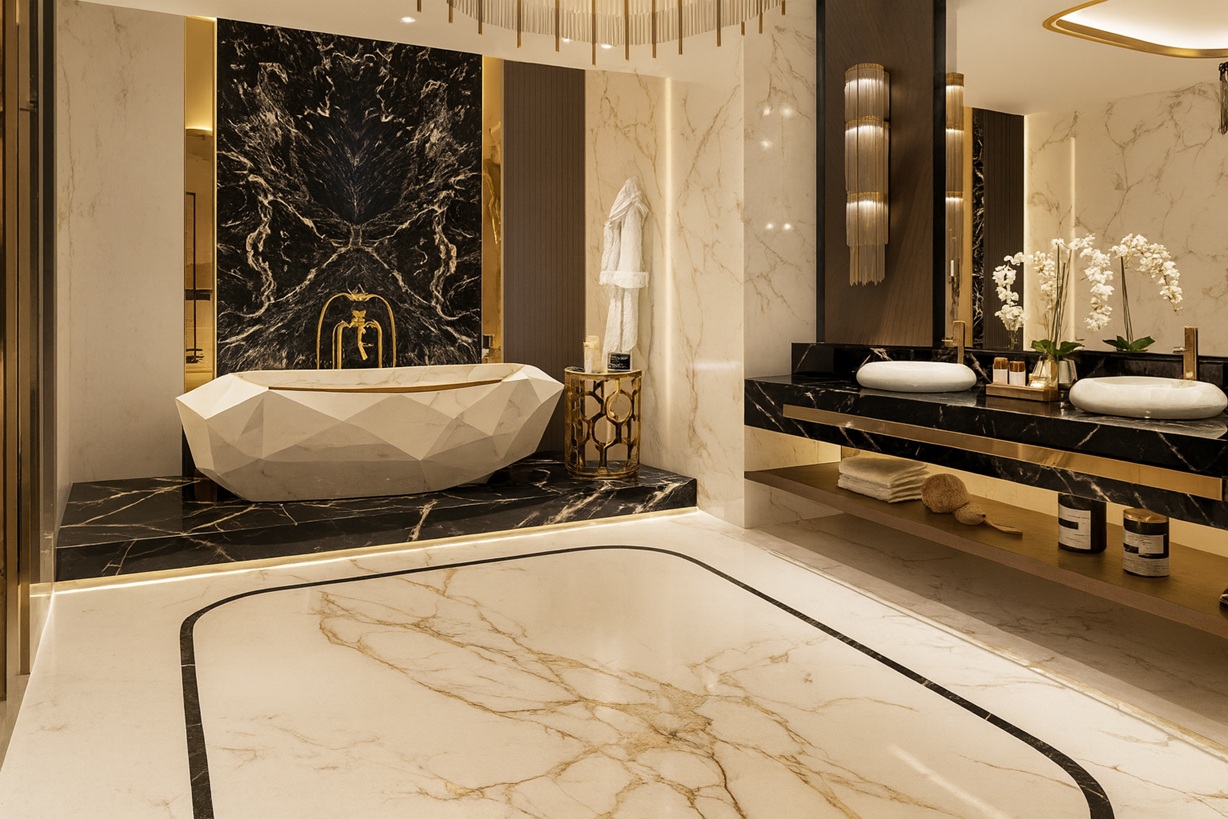
Point-of-Use Plumbing Systems in Commercial Architecture
Specification Strategy, Public Health Risk, and Hydraulic Performance in High-Occupancy Buildings
In contemporary commercial architecture, the most consequential building performance failures rarely originate in the mechanical plant room.
They originate at the point of use.
Lavatory faucets, clinical handwash stations, service sinks, emergency fixtures, and other terminal plumbing devices form the final interface between engineered infrastructure and human contact. These components are often treated as catalog selections or finish decisions. In reality, they are regulated, hydraulically active, public-health-sensitive devices embedded within complex water systems.
For architects and engineers working in healthcare, aviation, higher education, hospitality, civic, and mixed-use developments, point-of-use plumbing specification is no longer a minor Division 22 decision. It is a building performance discipline.
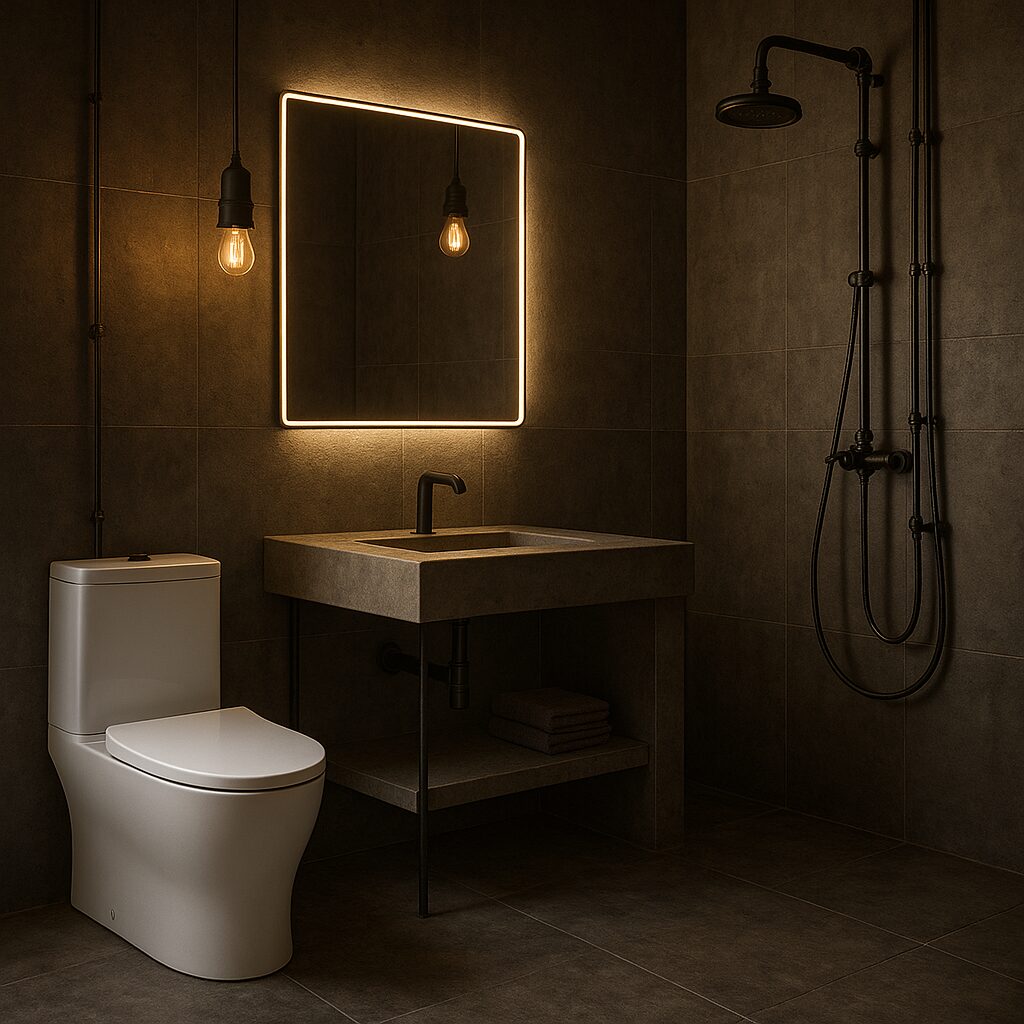
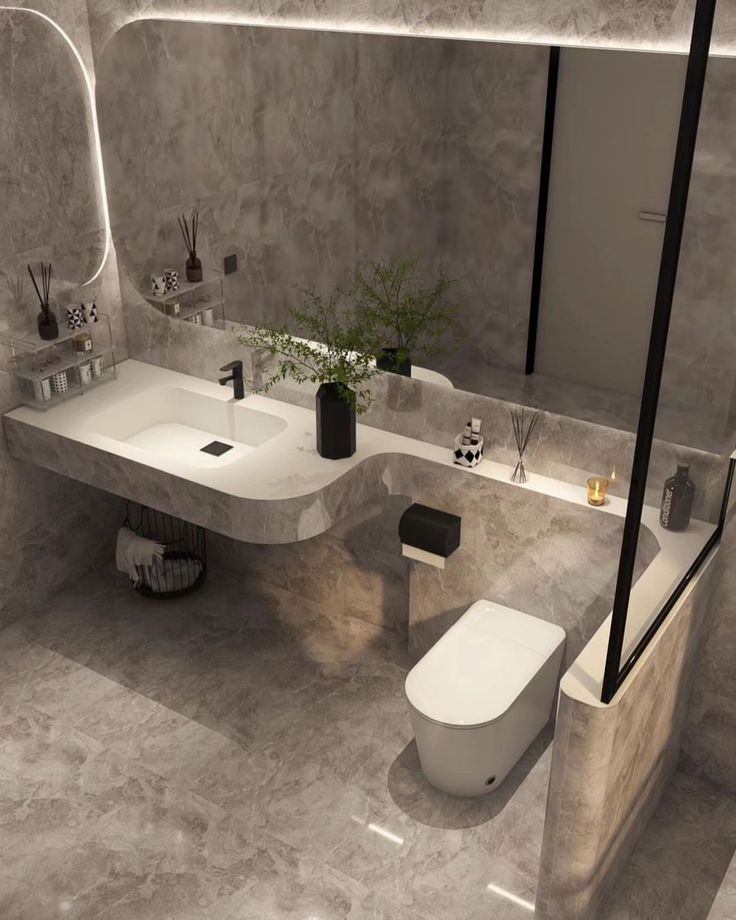

Why Point-of-Use Devices Are a Distinct Specification Domain
Terminal plumbing fixtures sit at the convergence of:
Plumbing code compliance
Accessibility regulation
Drinking water material safety
Hydraulic pressure dynamics
Legionella and water age risk
Commissioning protocols
Asset lifecycle strategy
Unlike upstream piping systems, point-of-use devices directly shape:
User safety
Infection control outcomes
Water efficiency metrics
Perceived building quality
In high-occupancy buildings, even small specification errors at the terminal device level scale into operational and liability risk.

In contemporary commercial architecture, the most consequential building performance failures rarely originate in the mechanical plant room.
A Technical Taxonomy for Commercial Point-of-Use Fixtures
Rather than organizing fixtures by style or finish, AEC teams should classify them by application, control architecture, hydraulic regime, and risk profile.
1. Application Class (Defines Duty Cycle and Risk)
Public Lavatories
Extremely high activation counts
Short dwell time
Vandal exposure
High variability in use behavior
Healthcare and Clinical Spaces
Elevated biofilm sensitivity
Temperature control requirements
Aerosolization risk management
Alignment with formal water management programs
Food Service and Sanitation
Cleanability
Chemical durability
Stream integrity at low flows
Back-of-House / Service Areas
Thermal cycling
Debris loading
Mechanical stress
Each environment produces different hydraulic stress conditions and failure modes. Specification must reflect that reality.
The final interface between engineered infrastructure and human contact
Lavatory faucets, clinical handwash stations, service sinks, emergency fixtures, and other terminal plumbing devices form the final interface between engineered infrastructure and human contact.
These components are often treated as catalog selections or finish decisions.
In reality, they are regulated, hydraulically active, public-health-sensitive devices embedded within complex water systems.


Hydraulic Engineering at the Terminal Level
Pressure Dynamics and Real-World Flow Conditions
Published flow rates are typically measured at reference pressures (often 60 psi).
Actual buildings experience:
Pressure reducing valve variability
Vertical riser losses
Peak demand fluctuations
Recirculation stabilization periods
Terminal devices must maintain predictable performance across dynamic pressure ranges.
Pressure-compensating flow controls improve stability but may be sensitive to debris or mineral scale.
Design teams should review full pressure-flow curves rather than nominal GPM listings.
Cycle Volume vs Continuous Flow Logic
For metered or automated fixtures, the key performance metric is not gallons per minute — it is gallons per activation cycle.
Electronic control systems introduce additional variables:
Timeout programming
Sensor range
Auto-flush logic
Power source maintenance
Runtime determines consumption more than flow rating alone.
Outlet Regime and Basin Coupling
The stream pattern of a terminal water device influences:
Splash behavior
Droplet size distribution
Basin capture efficiency
Surface wetting and slip risk
Laminar, aerated, and spray outlet devices each produce distinct hydraulic outcomes.
However, outlet performance cannot be evaluated independently of:
Spout height and reach
Basin depth
Rear wall geometry
Drain placement
ADA clearance constraints
Failure to coordinate fixture and basin geometry leads to occupant complaints, maintenance callbacks, and perceived underperformance.
Terminal water devices should be evaluated as components of a coupled hydraulic system.

Terminal devices must maintain predictable performance across dynamic pressure ranges.
Codes, Standards, and Compliance Infrastructure
Commercial point-of-use plumbing systems operate within a layered regulatory environment.
Performance Standards
In North America, plumbing supply fittings are governed by:
ASME A112.18.1
CSA B125.1
These standards establish durability, operational reliability, and mechanical integrity benchmarks.
Drinking Water Safety
Material compliance for wetted surfaces is typically demonstrated through:
NSF/ANSI 61 (health effects of leached contaminants)
NSF/ANSI 372 (lead content evaluation)
Material chemistry is a building health issue — not merely a procurement checkbox.
Temperature Limiting and Scald Prevention
Point-of-use temperature control devices are governed by:
ASSE 1070
ASME A112.1070
CSA B125.70
Specification must integrate mixing valve strategy with terminal fixture performance. Treating these as separate systems increases commissioning risk.
Accessibility Framework
ADA and equivalent standards require:
One-hand operability
No tight grasping, pinching, or twisting
Clearance compliance
Protection of exposed piping
Electronic activation does not automatically guarantee compliance. Operability language must be verified.
Water Efficiency Programs
Terminal plumbing devices increasingly influence:
EPA WaterSense alignment
LEED Indoor Water Use Reduction credits
Regional water use amendments
Automatic activation logic and cycle volume are becoming code-sensitive in certain jurisdictions.
Local adoption must always be confirmed before master specification language is finalized.
Public Health and Water System Risk Management
Legionella and Water Age at the Distal End
The distal end of a water system — the terminal device — is where:
Thermal conditions fluctuate
Stagnation can occur
Biofilm can accumulate
Electronic fixtures, low-flow devices, and intermittent-use plumbing can alter:
Water age
Thermal stability
Flow turnover
In healthcare and other sensitive occupancies, terminal device specification must align with a formal water management program consistent with ASHRAE 188 principles.
Design implication:
Specifying touchless or automated fixtures requires simultaneous specification of:
Flush schedules
Commissioning verification
Water management coordination
Technology without operational planning redistributes risk rather than eliminating it.
Materials Engineering and Chemical Compatibility
Terminal fixtures incorporate:
Brass alloys
Polymer components
Elastomers
Electronic solenoid assemblies
Material selection must consider:
Chloramine compatibility
Thermal cycling resistance
Long-term dimensional stability
Corrosion resistance under commercial cleaning agents
Cleaning protocols in healthcare and aviation environments are significantly more aggressive than residential conditions.
Finish performance must be validated under disinfectant exposure and high-frequency wiping cycles.
Digital Integration and BIM Coordination
Point-of-use plumbing fixtures are now part of digital project delivery.
Manufacturers offering:
Coordinated BIM objects
Accurate Revit families
Performance data transparency
Integrated submittal documentation
reduce coordination errors and accelerate approvals.
For portfolio owners — hospital systems, airports, universities — standardization of terminal device platforms reduces spare parts complexity and improves maintenance efficiency.
Specification today must consider lifecycle asset management, not just first cost.

Commissioning and Performance Verification
Terminal device commissioning should include:
Field verification of actual flow under representative pressure conditions
Validation of activation logic and timeout parameters
Temperature limit testing during peak hot water demand
Confirmation that auto-flush routines do not destabilize recirculation systems
Without commissioning, design intent is unverified.
Reframing the Architectural Conversation
In design discourse, mechanical systems are often discussed at the macro scale — chillers, air handlers, plant rooms, vertical distribution.
Yet the building’s most immediate interaction with occupants often occurs at the point of water delivery.
Point-of-use plumbing devices represent:
The final expression of hydraulic engineering
The most visible interface of public health infrastructure
A convergence of regulatory compliance and human experience
When under-specified, they generate callbacks, compliance gaps, and health risk.
When treated as engineered building components, they reinforce performance, safety, and durability.

Conclusion: Architecture at the Point of Contact
In high-occupancy buildings, water system design does not end at the riser.
It ends at the point of contact.
Commercial architectural plumbing systems — including faucets, flush fixtures, wash stations, and other terminal devices — require coordinated specification across:
Hydraulics
Code compliance
Material science
Public health
Accessibility
Digital asset management
For architects working in performance-driven environments, terminal plumbing design is not a minor detail.
It is infrastructure.
And at the point of contact, infrastructure becomes architecture.
Point-of-use plumbing specification is no longer a minor Division 22 decision
For architects and engineers working in healthcare, aviation, higher education, hospitality, civic, and mixed-use developments, point-of-use plumbing specification is no longer a minor Division 22 decision.
It is a building performance discipline.
Reference Links
Codes, Standards, and Compliance Infrastructure
ASME A112.18.1
CSA B125.1
NSF/ANSI 61 (health effects of leached contaminants)
NSF/ANSI 372 (lead content evaluation)
ASSE 1070
ASME A112.1070
CSA B125.70
Water system risk management
In healthcare and other sensitive occupancies, terminal device specification must align with a formal water management program consistent with ASHRAE 188 principles.