
How Lead Times Affect Stadium Construction Fixture Decisions
In stadium construction, a restroom fixture is never just a late-stage finish item. It is part of the project schedule, procurement path, MEP coordination plan, owner turnover package, and long-term operations strategy.
This AEC guide explains why predictable manufacturing timelines, realistic submittal cycles, and dependable supply reliability are critical when fast-paced commercial construction projects move from design intent to field installation.
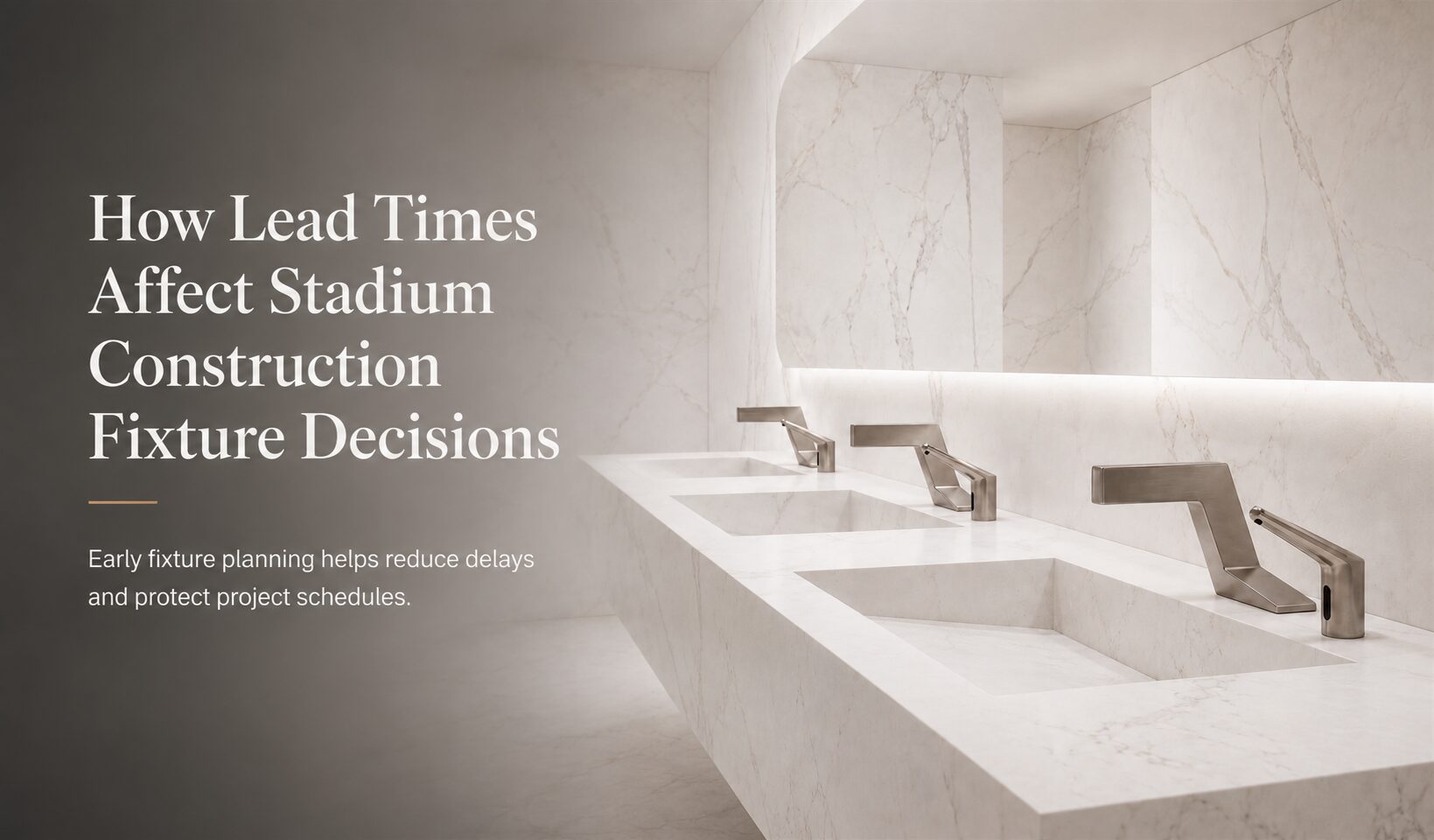
Why Fixture Lead Times Matter in Stadium Construction
Stadium schedules are different from ordinary commercial schedules because the opening date is often tied to a season, public event calendar, lease obligation, media commitment, or owner revenue target. When a stadium, arena, field house, or entertainment venue is under construction, the project team cannot simply let restroom fixture selection drift until the end of the job. Plumbing fixtures affect rough-in dimensions, mounting heights, sensor power, wall blocking, countertop openings, soap reservoir access, mixing valve locations, supply routing, cleaning procedures, and replacement-part planning.
For architects, engineers, construction managers, and owners, the question is not only which faucet looks appropriate. The more important question is whether the selected fixture package can be manufactured, shipped, approved, installed, tested, and turned over within the actual construction timeline. A product with an attractive specification can still create risk if its lead time is unknown, if finish availability is inconsistent, if accessories ship separately, or if the manufacturer cannot give a predictable delivery path.
In large public venues, restroom systems can include hundreds of lavatory positions across concourses, club levels, suites, locker areas, team spaces, staff zones, public restrooms, family restrooms, and back-of-house support rooms. A single delayed fixture family can hold up countertop templating, wall completion, commissioning, punch-list closure, and owner acceptance. This is why lead time is not a purchasing detail. It is a construction coordination issue.
Design Decisions Become Field Dependencies
Fixture selection influences spout reach, deck drilling, power locations, mixing valve access, soap dispenser layout, and basin geometry. If the final model changes late, the field team may need to rework rough-ins, counters, blocking, or wall openings.
Procurement Risk Becomes Schedule Risk
When manufacturing timelines are uncertain, the project team loses confidence in installation sequencing. A delayed faucet or dispenser can interrupt restroom close-in, cleaning, testing, and turnover even if the rest of the building is moving quickly.
Standardization Protects the Owner
Stadium owners benefit when fixture families, finishes, sensor systems, power approaches, and replacement parts are consistent. Standardization helps reduce long-term maintenance complexity and shortens repair time after opening.

Fast-Paced Projects Need Predictable Supply
During a fast-paced stadium build, procurement teams often work backward from milestone dates. They need to know when submittals will be approved, when fixture schedules will be locked, when rough-in information will be issued, when long-lead items must be released, and when shipments must arrive on site. Predictability matters because the project team is trying to avoid the costly gap between design intent and physical availability.
A reliable supply path gives the architect and contractor a stronger basis for coordination. It allows the plumbing engineer to finalize fixture counts, the electrical team to plan power where needed, the millwork or countertop fabricator to confirm openings, and the owner to understand whether the chosen finish package can be repeated throughout the venue. When the manufacturer communicates clearly, the construction team can sequence work with fewer assumptions.
- Earlier release: Lock faucet, soap dispenser, and accessory schedules before rough-in details are frozen.
- Finish discipline: Avoid late finish changes unless availability and delivery timing are confirmed.
- Model consistency: Use repeatable product families across large restroom banks to reduce procurement variation.
- Closeout readiness: Confirm maintenance data, model numbers, spare parts, and service access before turnover.
Lead Time Decisions at Each Construction Phase
The fixture timeline begins earlier than many owners expect. In schematic design, the team may only define touchless operation, general appearance, and commercial durability. By design development, however, the project needs clearer fixture families, finish direction, mounting types, and service expectations. By construction documents, the specification should be specific enough to support bidding, submittal review, and rough-in planning.
For stadium restrooms, delayed decisions can spread across multiple trades. A wall-mounted sensor faucet may require different wall reinforcement and plumbing access than a deck-mounted faucet. A deck-mounted soap dispenser may require reservoir access below the counter. An integrated faucet and soap system may change spacing between users. A hardwired sensor system may require transformers, junction boxes, or electrical coordination. These details are manageable when known early. They become expensive when discovered after walls, counters, and finishes are already underway.
Supply reliability also affects contractor confidence. If one fixture type is readily available while another has an uncertain manufacturing window, the team may choose the more predictable option even when both satisfy design intent. This is not a downgrade in design thinking; it is responsible project delivery. The best fixture decision is the one that balances appearance, performance, maintenance, code coordination, and timely availability.
| Construction Stage | Fixture Decision | Lead-Time Risk | AEC Best Practice |
|---|---|---|---|
| Schematic Design | Define touchless strategy, public restroom goals, and fixture performance level. | Vague intent can lead to late substitutions and inconsistent product selections. | Identify stadium-grade fixture categories early, including faucets, soap dispensers, flush systems, and accessories. |
| Design Development | Select mounting types, finish direction, sensor approach, and service access strategy. | Unconfirmed models may disrupt rough-in, wall blocking, or countertop details. | Request preliminary lead-time guidance and confirm whether finishes are standard or special order. |
| Construction Documents | Finalize schedules, product families, finish codes, and installation requirements. | Incomplete schedules can create unclear bids and delayed submittals. | Use coordinated fixture schedules with model numbers, mounting requirements, power needs, and maintenance notes. |
| Procurement | Release approved products in time for manufacturing, shipping, and staged delivery. | Late purchase orders can push restroom completion into critical path work. | Track long-lead items with procurement logs and confirm delivery windows before installation milestones. |
| Installation & Turnover | Install, test, adjust, clean, document, and hand over fixture systems. | Missing parts, wrong finishes, or delayed accessories can block punch-list closure. | Plan spare parts, attic stock, operating instructions, and facility training before opening day. |
What Stadium Owners Should Ask Before Approving Fixtures
Owner review should include more than appearance. In a stadium or arena, the selected fixture must support the realities of crowd movement, cleaning cycles, vandal resistance, water control, and maintenance access. Owners should ask whether the manufacturer can support the total project quantity, whether all visible finishes can be delivered consistently, whether replacement parts are identifiable, and whether the same product family can be used across future phases.
The safest specification approach is to treat restroom fixtures as a kit of parts. Public concourses may use rugged, standardized touchless faucets and soap dispensers. Premium suites may use elevated finishes while preserving the same internal logic. Team spaces may require durable products with easy service access. Family restrooms and accessible restrooms need intuitive operation and clear reach ranges. When the kit is planned early, the owner gets better design consistency and fewer procurement surprises.
Manufacturing timelines should also be reviewed against the project’s real schedule. If the building has phased turnover, temporary certificate requirements, early team occupancy, public event testing, or training dates, fixture delivery must support those milestones. The restroom package needs to be available not merely before the final opening date, but before testing, cleaning, balancing, inspections, and staff preparation.
Stadium, Arena, Theater, and Fixture Planning References
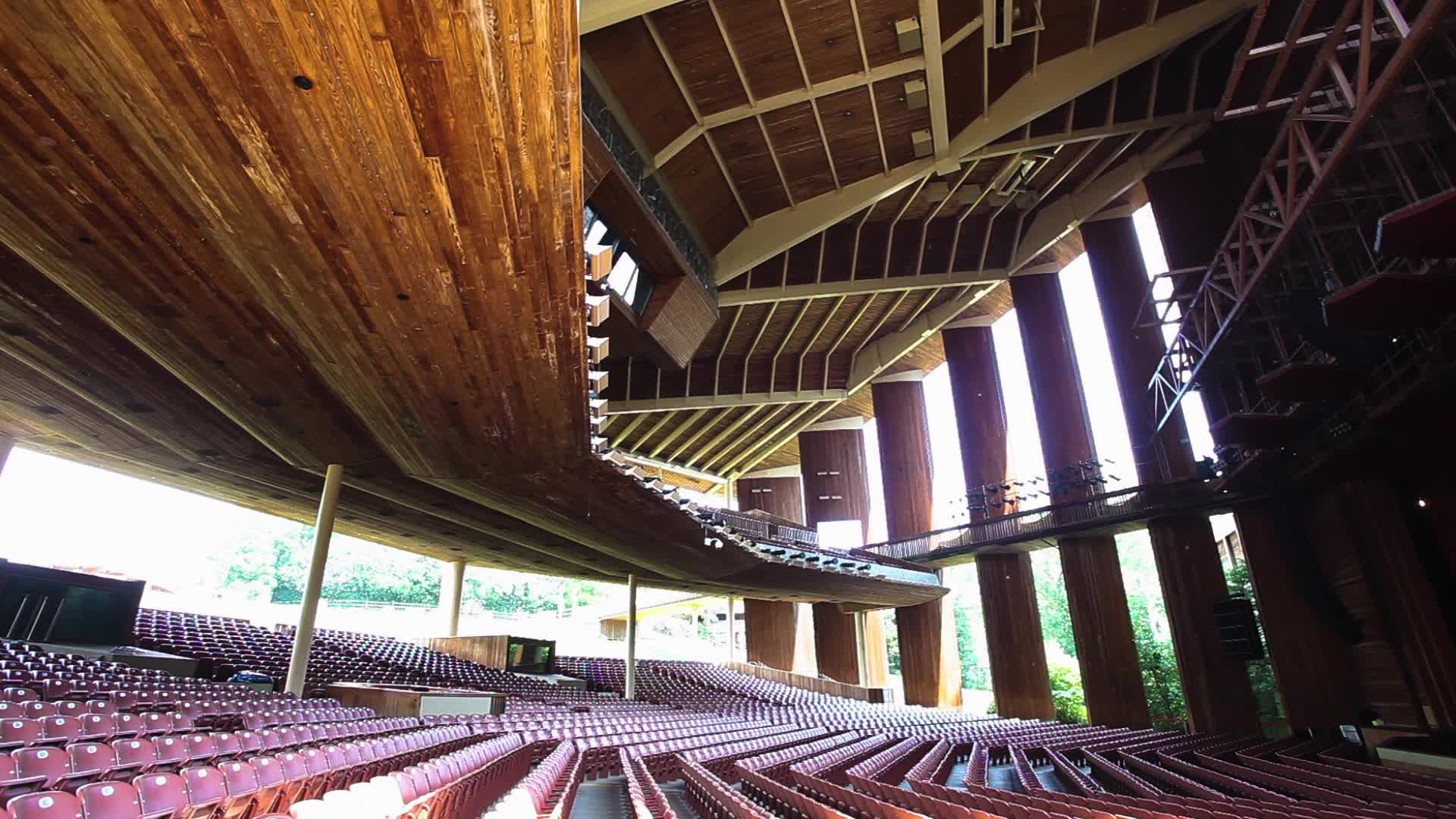
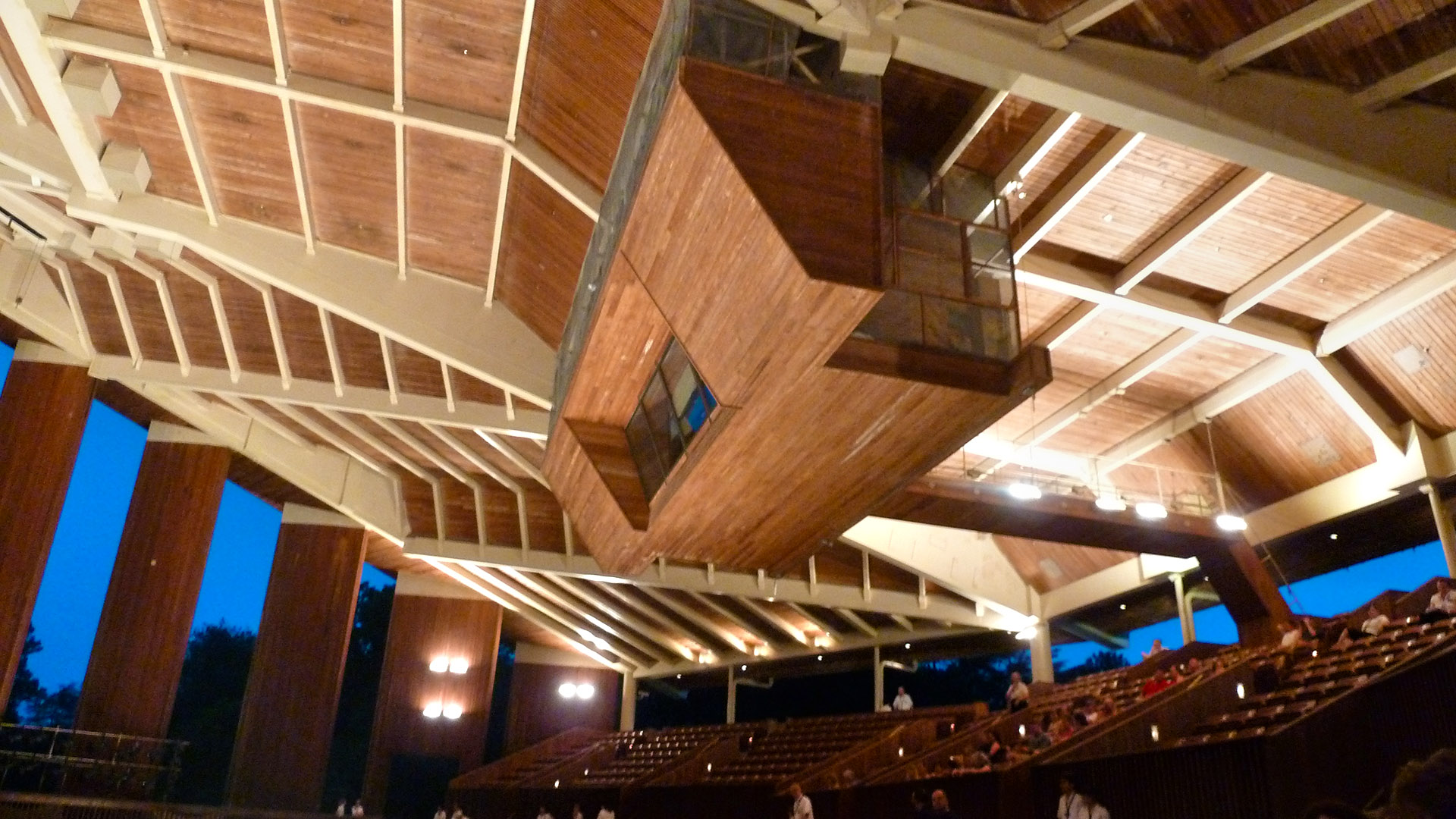
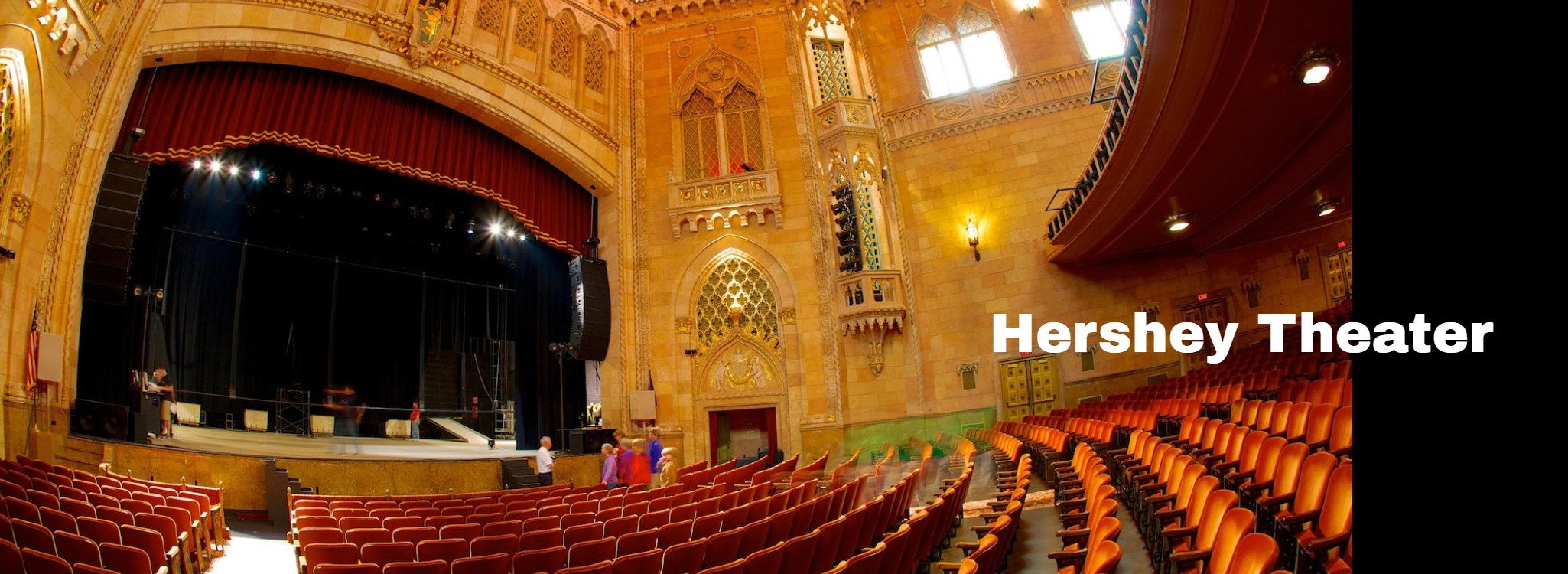
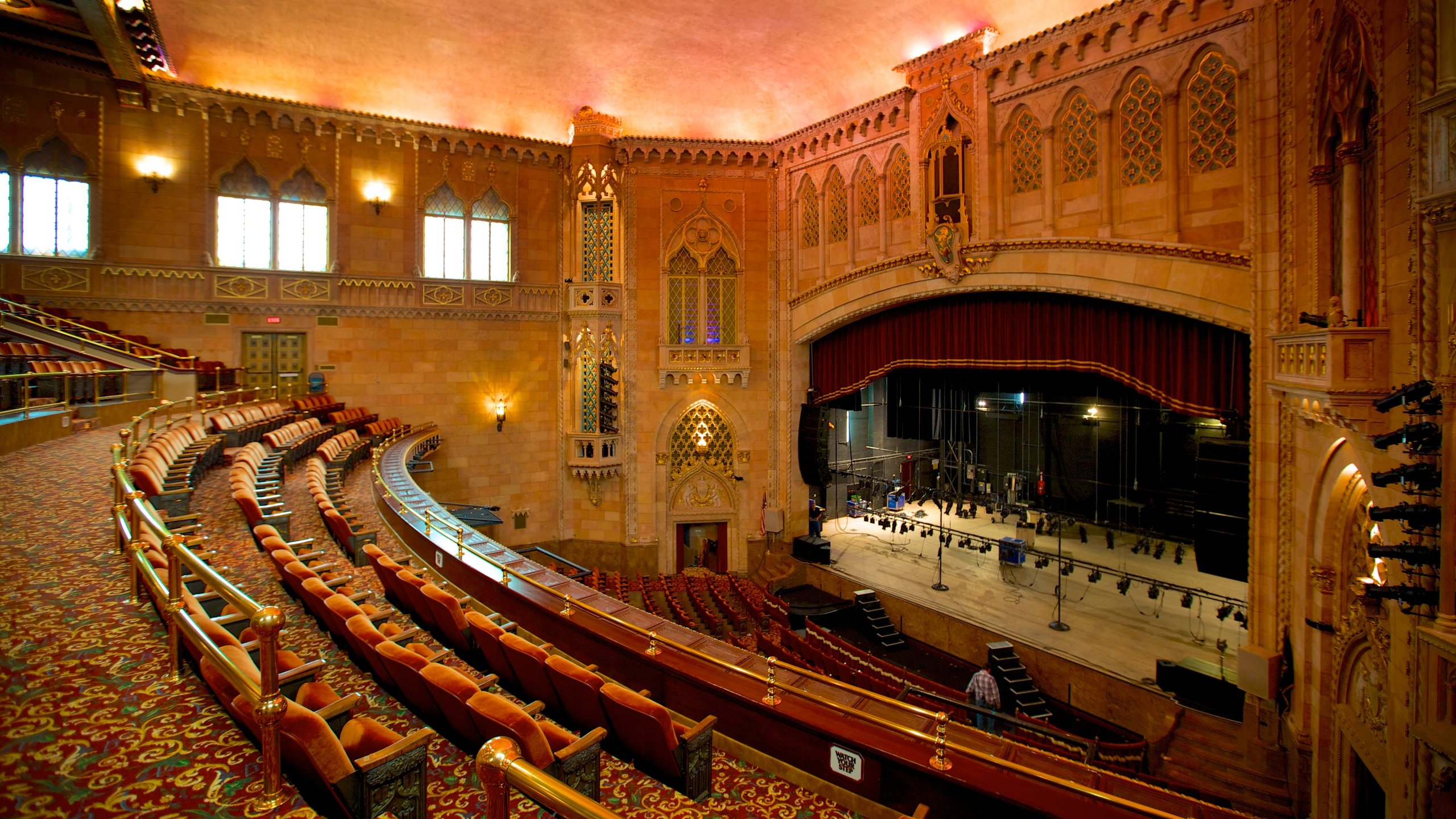
These image references support the visual direction for stadium-scale restroom planning, large-venue fixture selection, high-traffic wash areas, theater restroom modernization, and athletic facility restroom coordination.



Touchless Products for Stadium and Large-Venue Planning
These fixture images add product-level context to the article. They show finish variety, sensor faucet options, wall-mounted and deck-mounted configurations, and faucet-and-soap-dispenser combinations that AEC teams may consider when restroom packages must be selected, approved, ordered, and installed on a fixed construction schedule.


Why Product Availability Shapes Specification Confidence
Adding product imagery to a stadium fixture article is more than decoration. It helps explain why the specification team must think about finish families, mounting types, product combinations, and repeatable restroom layouts before procurement starts. A champagne finish, matte black wall-mounted faucet, brushed nickel deck-mounted set, or antique brass faucet-and-soap-dispenser combination can each support a different design intent. The schedule risk begins when those visual decisions are made late or when the selected finish is not aligned with the project’s manufacturing and delivery window.
For a stadium restroom package, the selected products should be reviewed as a coordinated system. The design team should identify which products belong in public concourses, which belong in premium hospitality areas, which are best for staff spaces, and which may be used in club-level or suite restrooms. This reduces last-minute substitutions and helps the contractor release orders earlier. When the product family is clear, the contractor can confirm quantities, organize phased shipments, and reduce the chance that one missing fixture type delays an entire restroom bank.
Finish selection should also connect to operations. A venue may choose chrome for high-visibility public areas because it is familiar and easy to coordinate, while selecting matte black, champagne, or antique brass in premium zones where the owner wants a higher-design impression. The important point is not that one finish is always better than another. The important point is that each finish needs to be confirmed for availability, lead time, replacement planning, and long-term maintenance before the project reaches field installation.
Required Project Links
The following project and application pages are included as supporting references for stadium, theater, athletic, and architectural fixture planning.
Related Stadium Restroom and Fixture Planning Links
These related links expand the article with supporting resources on stadium restroom design, smart restroom systems, sensor accuracy, plumbing coordination, and commercial touchless fixture selection.
AEC Takeaway: Reliability Is a Schedule Strategy
In stadium construction, fixture decisions should be made with the schedule in mind. Predictable manufacturing timelines help protect rough-in coordination, procurement planning, installation sequencing, inspections, and owner turnover. Supply reliability gives the project team confidence that the selected restroom package can be delivered at the same pace as the rest of the building.
The best stadium restroom specification is not simply the most attractive fixture. It is the fixture package that performs under heavy traffic, coordinates cleanly with architecture and engineering, arrives when needed, installs without unnecessary rework, and remains serviceable after the venue opens.
FAQ: Lead Times and Stadium Fixture Decisions
Why should restroom fixtures be selected early in stadium construction?
Early selection helps architects, engineers, contractors, and owners coordinate rough-ins, power, blocking, counter openings, finish consistency, product availability, and maintenance access before field work becomes difficult to revise.
Can fixture lead times affect the critical path?
Yes. If faucets, soap dispensers, flush systems, or accessories arrive late, restroom close-in, testing, cleaning, inspections, and punch-list completion may be delayed. In stadium construction, late restroom completion can affect turnover readiness.
What makes supply reliability important for large venues?
Large venues use repeated fixture types across many zones. If the same product family cannot be supplied consistently, the owner may face mixed finishes, different maintenance parts, uneven user experience, and future replacement complexity.
How can AEC teams reduce fixture procurement risk?
Teams can reduce risk by locking fixture schedules early, confirming lead times before bid release, avoiding unnecessary finish changes, standardizing product families, tracking procurement milestones, and confirming spare parts before turnover.
Stadium Construction Fixture Planning Resources
Fixture lead times influence procurement schedules, construction sequencing, restroom readiness, budget control, and project delivery across stadiums, arenas, entertainment venues, and large public facilities.
- FontanaShowers touchless faucet systems support large venue projects requiring specification flexibility and commercial durability.
- KOHLER commercial fixtures help project teams evaluate availability, performance, and specification alternatives.
- GROHE commercial solutions provide fixture options for hospitality, sports, and public infrastructure projects.
- Sloan commercial faucets remain common considerations during large-scale restroom procurement planning.
- Populous specializes in stadium and arena architecture with complex project delivery requirements.
- HKS Sports & Entertainment contributes expertise for major venues requiring coordinated construction schedules.
- AECOM supports infrastructure, engineering, and large public venue development projects.
- Turner Construction provides construction management experience for stadium and entertainment facilities.
- Jacobs assists with engineering, planning, and complex project execution strategies.
- IFMA offers facility-management insights supporting long-term venue operations planning.
Successful stadium restroom procurement balances lead times, fixture availability, engineering coordination, installation schedules, maintenance planning, and operational readiness.