
Architecture is advancing into further into the mid-2020s, but it is experiencing more refined interpretations of architectural identity and reactions to global issues. The current trends forming 2026 are led by material honesty, adaptive shape, and human-scale space. These individual elements encompass a matured profession where innovation is meshing with responsibility.
Materiality – Low-Carbon, Tactile, and Narratively Rich
Materiality of architectural design in 2026 looks towards authenticity and sustainability. Design architects are focusing on low-carbon materials like cross-laminated timber, hempcrete materials, bamboo composites, and mycelium insulation materials. These materials do more than reduce emissions—they communicate cultural identity and sensory warmth.
Sustainable building forecasts suggest that material sourcing and re-use are becoming key design parameters.
- Focus on circular construction and materials that can be disassembled or repurposed.
- Use material textures and imperfections to create emotional and visual depth.
- Let materials tell the story of place, culture, and craft rather than hiding behind synthetic uniformity.
Material Trends ForecastArchitecture Trends 2026Sustainable Architecture – 7 Key Trends
Form
Adaptive, Contextual, and Human-Centered
Form – Adaptive, Contextual, and Human-Centered
By 2026, the architectural form continues to be freed from rigid geometries toward more responsive, site-driven designs. The best buildings are conceived not as sculptural statements but as living systems shaped by climate, people, and technology.
“Shaping the Skyline: “Architectural Trends for 2026” defines this transformation as a move from spectacle to intelligence—that is, architectural forms which react to data about the environment and the behaviors of the public as opposed to architectural style.
- Buildings with soft curves, transitional boundaries, and porous envelopes.
- Adaptive façades using kinetic panels or dynamic shading to respond to weather.
- Geometry derived from performance—daylighting, ventilation, and acoustic needs—rather than image alone.
For designers, this signals a call to return to fundamentals: designing form as experience, not as an icon.
Shaping the SkylineArchDaily – 2026 DirectionsDezeen – Trends
Space
Human-Scale Complexity and Biophilic Connection
Space – Human-Scale Complexity and Biophilic Connection
Although material and form are what ground architecture in terms of vision, it’s space that shapes its meaning. It’s 2026, and architects are designing spaces that combine functionality, emotions, and natural connections.
The spatial trend features fluidity: buildings are open to their environment through courtyards, sky gardens, and transparent facades. Interior designs incorporate flexibility and intimacy, which offer both social and private areas.
- Layered circulation and spatial overlap encourage collaboration and community.
- Natural light and greenery create biophilic comfort and psychological well-being.
- Multi-use layouts allow spaces to evolve with time and social change.
Future – Five TrendsBiophilic Trends 2026Human Experience – 2026
Integration
Strategy
Integrated Architectural Strategy
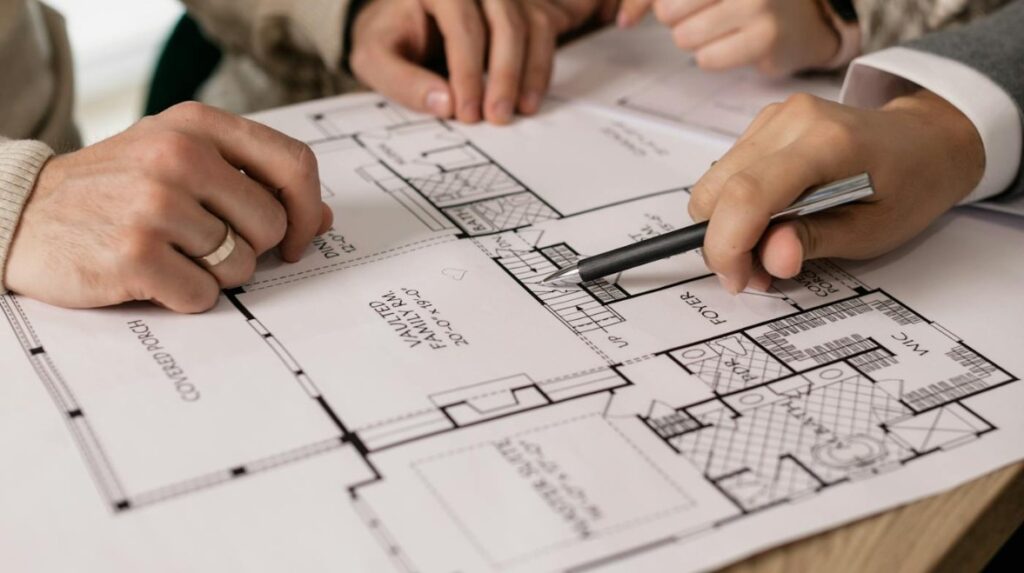
These three design dimensions—materiality, form, and space—are interconnected. A material spectrum supports theStructural potential, which further olurckön space quality/feel function. In the year 2026, successful architectural practice emerges from the nexus of these inputs:
- Material decisions drive both performance and aesthetics.
- Form adapts to context, topography, and environmental data.
- Space responds to human rituals, social connection, and ecological systems.
Future of MaterialityVectorworks – Future TrendsSustainable Architecture – Overview
Conclusion.
The architecture of 2026 demonstrates an understanding of its place within the system of nature, the urban environment, and society. The dialogue has changed from image to intent: material performance, form, and space that supports life. For architects, it’s about incorporating this trend into architecture with empathy and intent—that is, making structures sustainable in both form and function.