
Public architecture has long reflected our local values in a physical way, as a place where community members gather, learn, celebrate, and discuss matters of common interest. Today, in this 2020 decade, when cities are facing so much social change and environmental necessity, architects are rethinking public architecture as a tool for inclusivity, sustainability, and engagement with culture, and innovative buildings such as new library buildings, town halls, and museums, among others, are being constructed worldwide.
The New Purpose of Civic Architecture
Today, public architecture is multifaceted, serving to teach, assemble, encourage, and survive. It is no longer an ornamented tribute to society but an interactive civic infrastructure. As ArchDaily puts it, “Civic architecture has evolved from formalism and symbolism to accessibility and openness, from an architecture of exclusion to an architecture of encounter.”
Dezeen further quotes: “The best civic projects create flexible, inclusive spaces in which culture, nature, and humans interact – making institutions into shared urban living rooms.”
ArchDaily: Community EngagementDezeen: Civic Architecture
Design Principles That Shape Community
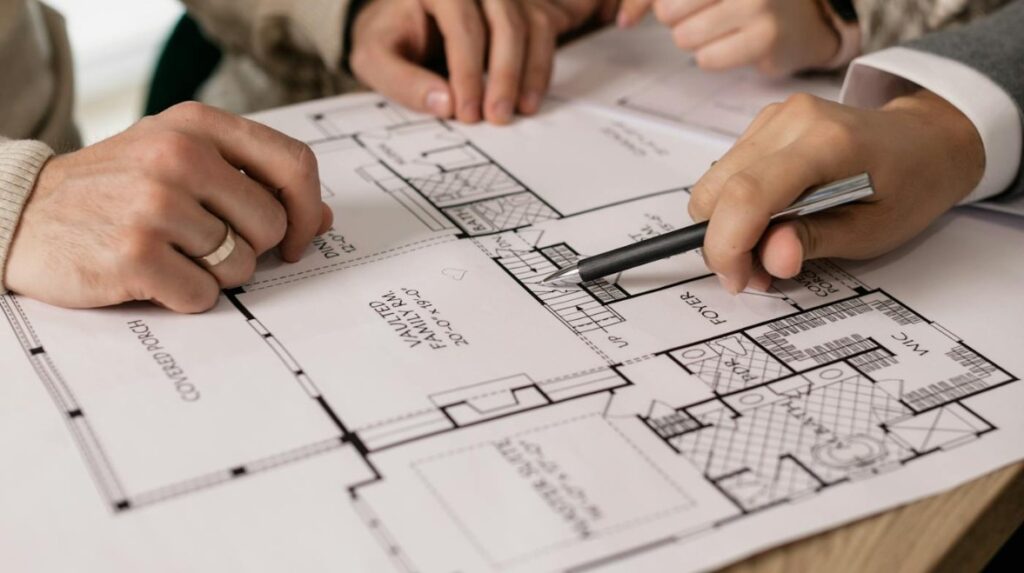
Openness and Transparency
Contemporary civic architecture seeks transparency and accessibility. Glass walls, expansive entranceways, and public spaces have replaced walls and barriers. Openness reflects trust and inclusiveness, which may be found in a town hall, a courtroom, a cultural institution.
Flexibility of Space
Public buildings must serve changing needs. Architects design modular halls, retractable seating, and adaptable layouts that accommodate everything from art exhibitions to civic debates.
Integration with Landscape
Design for civic architecture increasingly blurs the line between structure and landscape: A garden of shaded courtyards, gardens, and green roofs nurtures affiliation with the natural world and community well-being.
Local Material Expression
Local materials such as rock, wood, and rammed earth are used to construct civic structures that express place and resource respect.
Architecture Lab: Social Connection
Helsinki Central Library Oodi – ALA Architects
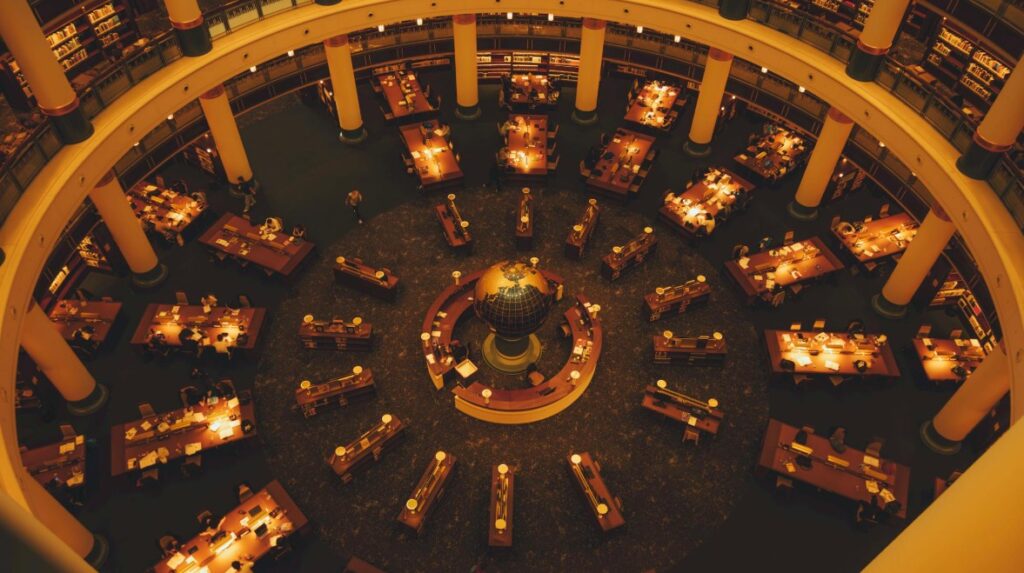
Oodi, completed in 2018, redefined what a public library could be. The building’s vast wooden canopy welcomes people into a civic “living room” where reading, coworking, and public events coexist. It has an open plan and panoramic terraces, and seems to blur the line between building and city in a symbolic gesture toward democratic openness.
Inclusivity is also manifested at the architectural level at the library, where flexible space facilitates interaction, study, or just relaxation for the citizenry. Oodi symbolizes what the current architectural focus on civic buildings should be all about: improving social cohesion by ensuring that public space remains personal space.
Medellín Library Parks – Mazzanti Studio
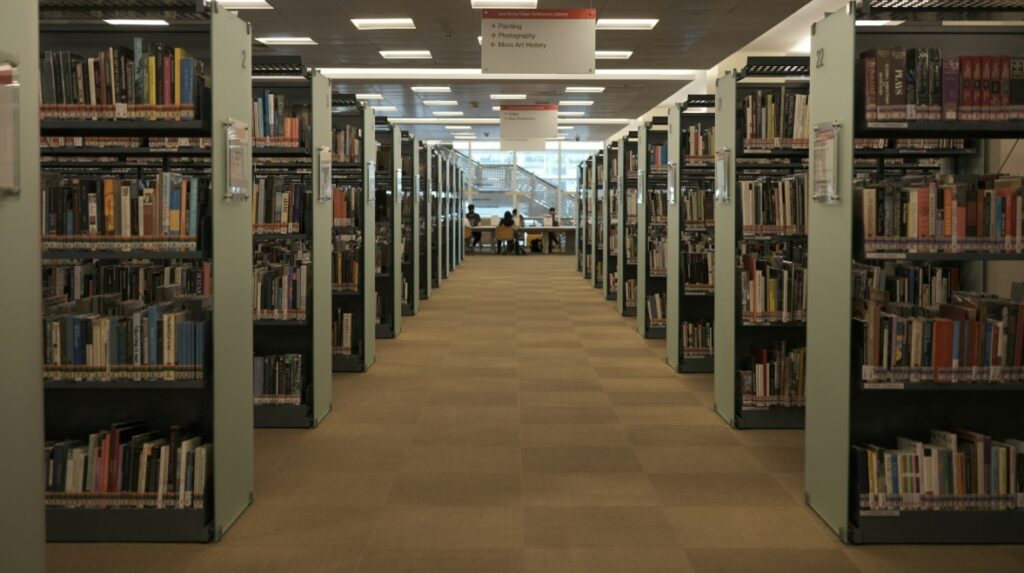
In Colombia, Medellín’s network of library parks stands as one of the world’s most inspiring examples of architecture’s power to transform community life. Designed by Giancarlo Mazzanti, these projects were built in underserved neighborhoods, pairing libraries with public plazas and educational facilities.
Each structure acts as a beacon of opportunity — accessible, civic, and proud. The Medellín model demonstrates that public architecture is not just about buildings but about equity, safety, and cultural empowerment.
Mazzanti: Social Transformation
Sydney Modern Project – SANAA and Architecture
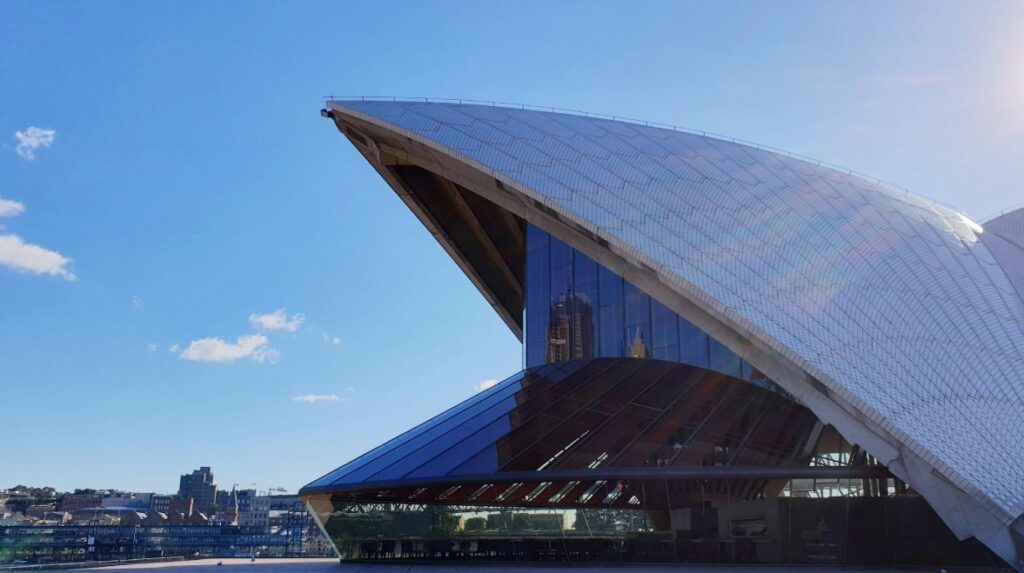
Opened in 2022, the Sydney Modern Project expands the Art Gallery of New South Wales into a series of light-filled pavilions cascading down a hillside. It was designed by Japanese architects SANAA more like an open, inviting campus than as a single monument.
It incorporates green roofs, shaded walkways, and public rooftop terraces offering views of the harbor. In doing so, it creates a public space where art, landscape, and community are unified. And what a powerful statement: cultural institutions as a shared community resource.
Sydney Modern: OverviewDezeen: Project Feature
The Social Function of Public Architecture
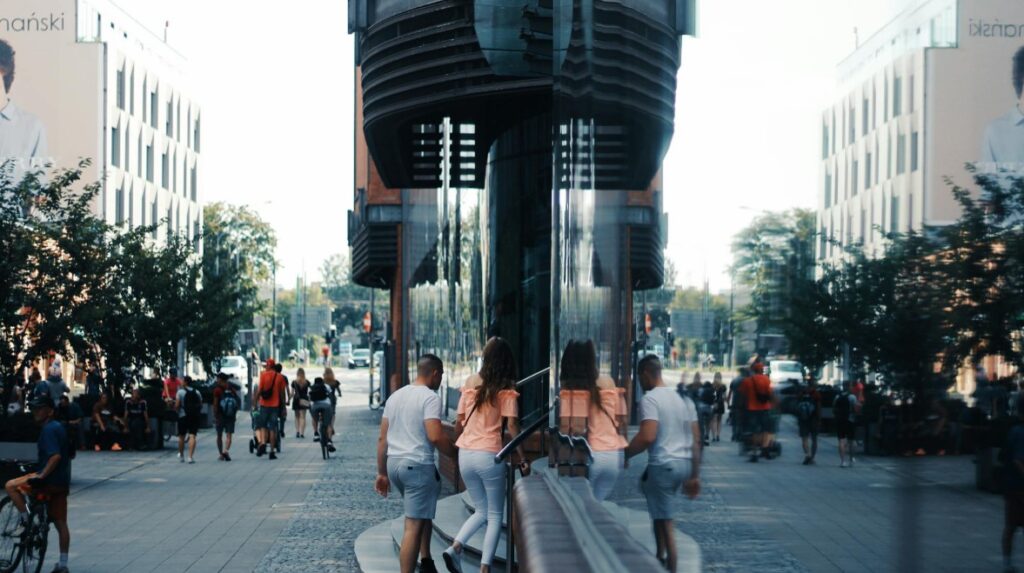
Public buildings are more than containers for programs; they are reflections of values. This can be understood through public libraries, schools, and museums.
“The best civic buildings operate as platforms for participation, not icons of authority.”
Architizer: Public & Community
Sustainability and the Public Good
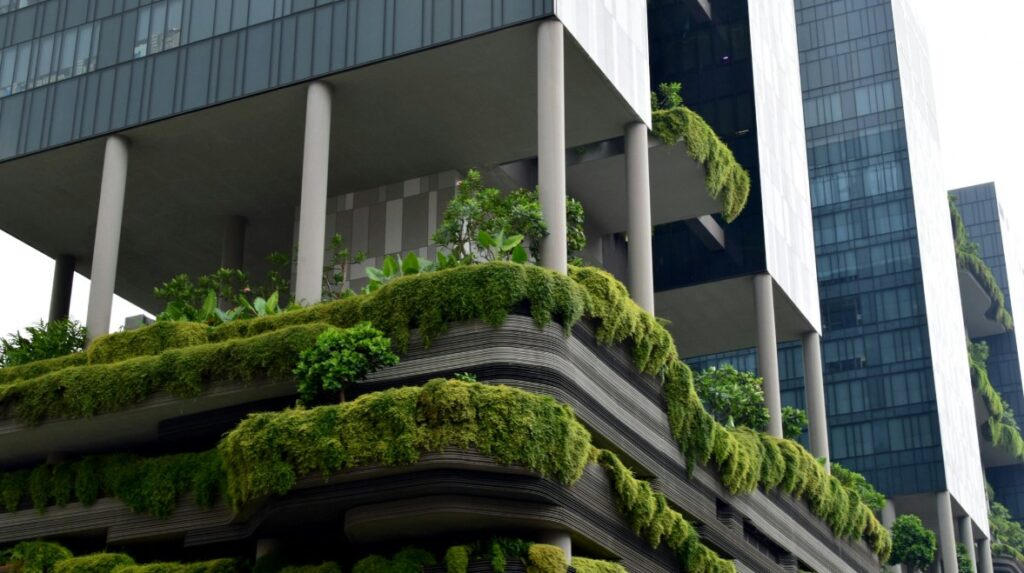
Sustainability in civic building encompasses much more than just efficiency in energy usage. It involves resilience, longevity, and sustainability. When building for public uses, a structure needs to be able to withstand generations, meeting variable population needs and climatic influences.
Now, net-zero energy systems, locally sourced materials, and bioclimatic design feature more often in new public buildings. Architecture in the public realm should lead by example-to show how beauty and sustainability go hand in hand in the service of society.
RIBA Journal: Future Civic Sustainability
Shaping the Fabric of Society

Public buildings represent the intersection of architecture and citizenship. It could be the library where literacy is encouraged, the museum where memory is preserved, or city hall where dialogue takes place.
Initiatives such as the Oodi in Helsinki, the Library Parks in Medellín, or the Sydney Modern Project bring us back on track in terms of the social mission that ultimately underlies the work of an architect. It is a mission that aims to connect, to empower,
As architects rethink public space in the 21st century, the challenge still persists: how can every public building, large or small, truly become a part of public life?
The solution comes down to empathetic and imaginative design — because when architecture benefits society as a whole, it not only builds structures but forges society itself.