

With the increasing challenges of climate change, density, and an aging infrastructure facing urban areas, landscape architecture has become an increasingly ecologically and structurally interdisciplinary field that connects and sustains the realms of both ecology and infrastructure. Gone are the days of its traditional perception, where landscape architecture only dealt with the aesthetic and open space planning of urban areas, since current landscape architecture in the city is increasingly involved in stormwater and heat mitigation strategies, health, and infrastructure.
The Expanding Role of Landscape Architecture in Urban Systems
In urban contexts, landscape architecture is a link between natural processes and engineering. There is increasing collaboration between landscape architects and civil engineers, architects, and municipality officials to create spaces where several functions can be accomplished together.
- Managing surface water and reducing flood risk
- Supporting urban biodiversity and ecological continuity
- Enhancing thermal comfort and mitigating heat island effects
- Integrating public space with utilities and transportation networks
Water as a Design Driver in Urban Landscapes

Water management is now one of the most technically interesting fields of landscape architectural design in urban areas. There is a change in urban places from underground stormwater drainage to above-ground solutions that merges the rainwater management and overall landscape designing.
- Bioswales and rain gardens for surface runoff control
- Constructed wetlands for filtration and retention
- Permeable paving systems to reduce impervious surfaces
- Daylighting buried waterways to restore ecological function
Research indicates that well-designed green infrastructure systems can reduce stormwater runoff by up to 70%, lower urban surface temperatures by several degrees, and increase urban biodiversity. These measurable environmental benefits position landscape architecture as a critical, data-driven strategy for climate resilience and sustainable urban development.
Integrating Green Infrastructure with Gray Infrastructure

“To create a thriving urban environment, there should be a blending of what might be termed ‘green infrastructure’: plants, soil, water, and what can be termed as a ‘gray infrastructure’: pipes, curbs, utilities, and buildings.”
- Streetscapes combining tree trenches with stormwater conveyance
- Transit corridors incorporating planted buffers and drainage channels
- Public plazas constructed over structural decks with engineered soil systems
Nature-Based Solutions and Climate Adaptation

The Landscape architecture plays a crucial part to adapt strategies for climate by implementing nature-based solutions that may address potential risk for the environment while delivering social & spatial benefits.
- Floodable parks designed to absorb extreme weather events
- Coastal landscapes acting as buffers against storm surge
- Urban forests improving air quality and thermal regulation
Public Health, Access, and Urban Equity
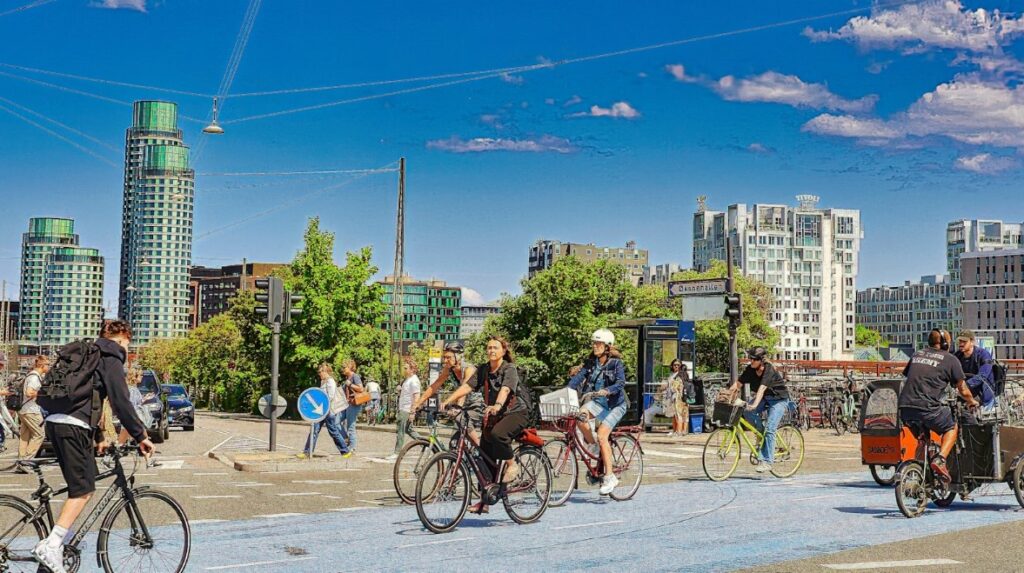
Urban landscapes heavily puts emphasis on public health and social equity. Accessibility to green space is closely connected to physical & mental well-being, especially in a high-density and underserved neighborhood areas.
- Universal accessibility and inclusive circulation
- Proximity of green space to residential density
- Safe integration of water features with maintenance planning
Interfaces Between Landscape and Building Systems
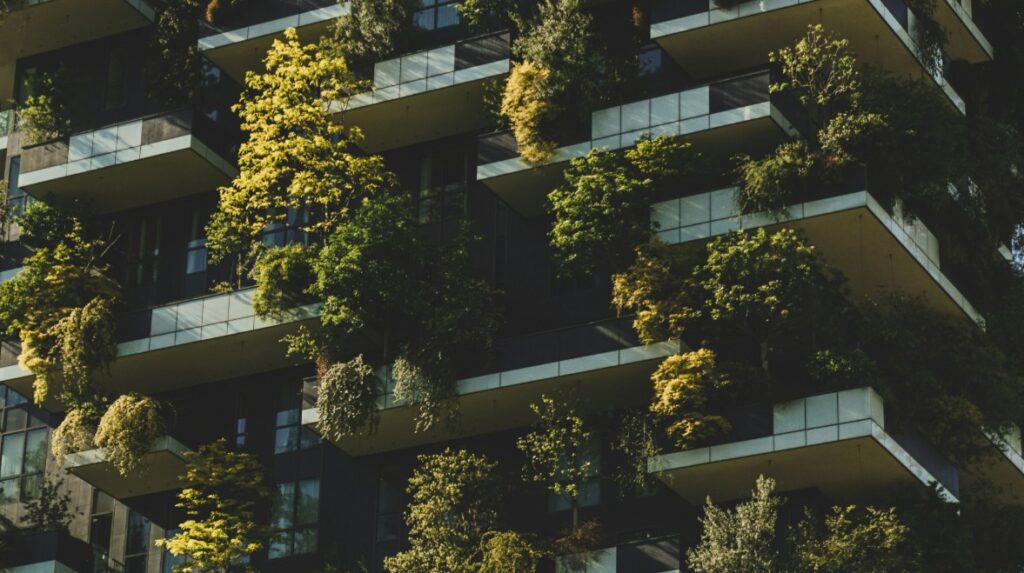
At the building level, landscape architecture interfaces exactly with architectural & plumbing systems, especially where fluid usage, drainage, and hygiene interconnect. The coordinated design is immanent for performance and compliance.
System-oriented references used for research and coordination include FontanaShowers, commercial sensor faucet categories, BathSelect, and JunoShowers.
Digital Tools and Data-Driven Landscape Design
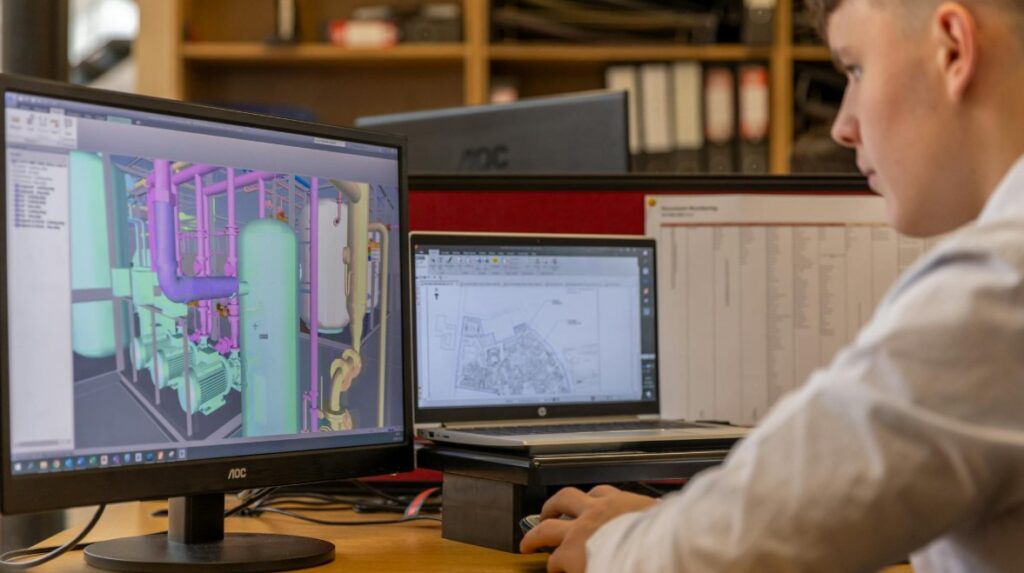
Advancements in digital modeling and environmental analysis tools have transformed landscape architecture into a performance-driven, data-informed practice.
- Hydrological modeling for stormwater performance
- GIS-based site analysis for ecological connectivity
- BIM coordination between landscape and building systems
- Sensor-based monitoring of irrigation and water use
What AEC Professionals Should Watch
- Policy shifts toward green infrastructure mandates
- Integration of landscape systems into building codes
- Growth of hybrid green-gray infrastructure solutions
- Expanded role of landscape architecture in climate resilience planning
Conclusion
Landscape architecture in cities has now become a critical platform where nature, water, and infrastructure are integrated into resilient urban systems. Ecological processes combined with engineered solutions help landscape architects assist cities in adapting to climate change, improving public health, and extending the life of urban infrastructure.
In reading archdaily.blog, this understands such systems-based evolution in landscape architecture as knowledge about how future cities will be planned, built, and sustained—where landscapes will no longer be residual spaces, but essential urban infrastructure.
References
- Urban Green Infrastructure and Climate Adaptation Studies
- Nature-Based Solutions in City Planning
- Landscape Architecture Foundation Research
No responses yet