
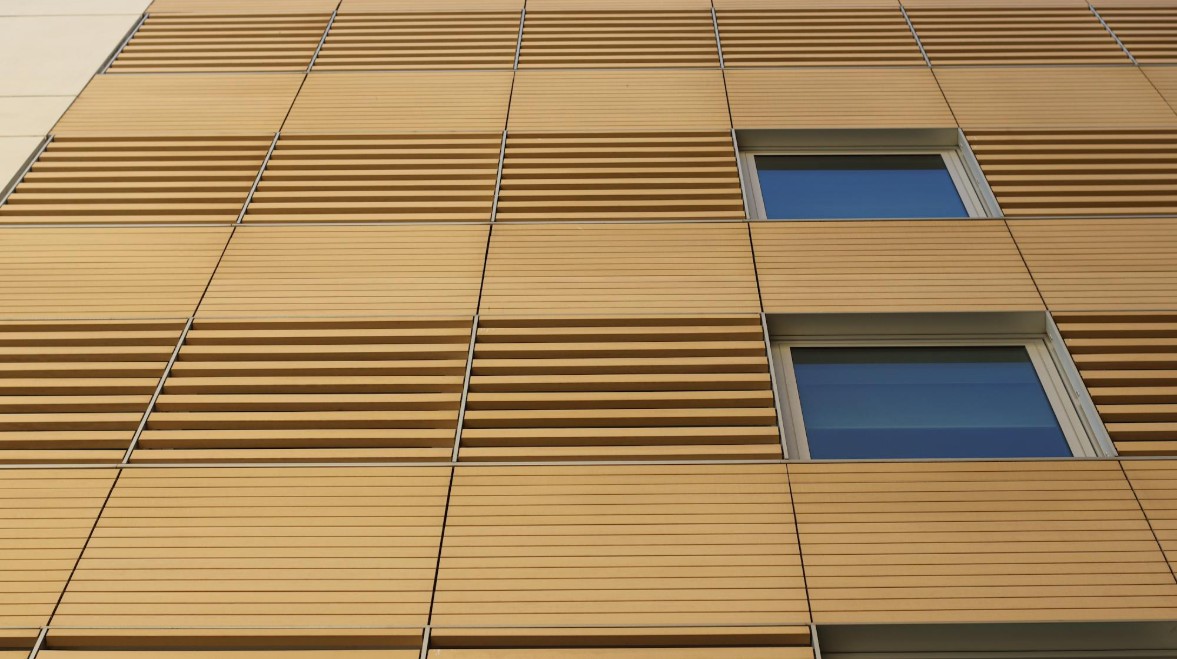
Traditionally, envelope building served the main purpose of acting as barriers that isolated the inside environment against the outside environment. Architectural skins today are able to control the movement of energy, control moisture, maximize daylight and dynamically respond to the inputs of the environment.
From Static Surfaces to Performative Building Skins

Historically, building envelopes functioned primarily as protective barriers that separated interior environments from exterior conditions. Today, architectural skins are able to regulate energy flow, manage moisture, optimize daylight, and adapt dynamically to environmental inputs.
- Regulating heat gain and loss through adaptive assemblies
- Managing moisture, air infiltration, and solar exposure
- Integrating daylighting with energy performance strategies
- Responding dynamically to environmental conditions
Smart Facades as Integrated Architectural Systems

Smart facade systems are largely seen as a transition between the non-responsive form of building to responsive architectural systems. These systems usually consist of material science, embedded sensing, and actuation to control shading, ventilation, and performance of insulation on the go.
- Embedded sensors monitoring temperature, solar gain, and humidity
- Actuated shading or panel systems responding to climate data
- Integration with building management and energy systems
- Performance optimization over the building lifecycle
Advanced smart façades and high-performance bio-based materials can reduce building energy consumption by up to 30–50% compared to conventional envelope systems, while improving daylight optimization and thermal regulation. These innovations support measurable reductions in carbon emissions and operational costs, aligning architecture with net-zero and ESG performance benchmarks.
Bio-Materials and Regenerative Design Approaches
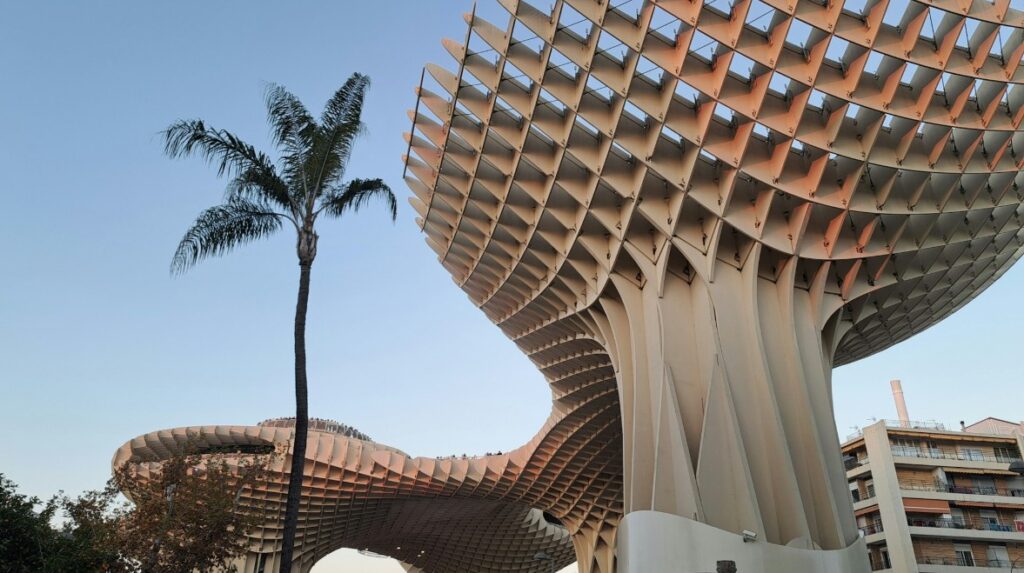
Bio-based materials put a regenerative approach on the architectural construction. These materials are based on renewable or living sources; they focus on the low embodied carbon, the lifecycle of being circular and less impactful to the environment.
- Mycelium-based panels and insulation systems
- Engineered timber and mass wood assemblies
- Bio-resins and plant-based composites
- Algae-based or living facade components
Recycled and Circular Material Systems
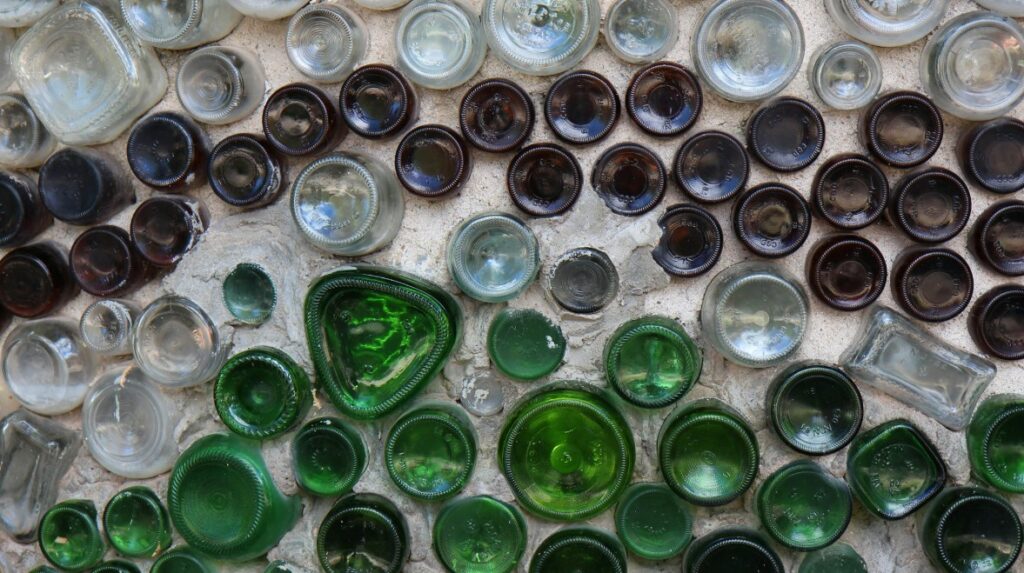
Raw materials are given preference in building main architecture since there is an improvement in processing, testing and certification to enhance reliability of performances. These systems facilitate circular design approaches that aim at reuse and minimization of waste.
- Recycled aluminum facade and cladding systems
- Reclaimed structural steel components
- Post-consumer plastic panels and composites
- Concrete mixes incorporating recycled aggregates
Material Performance Beyond Sustainability Metrics

Although sustainability is still a major factor, the modern material selection is also dependent on the performance in the actual conditions of usage. The architects evaluate longevity, thermal performance, sustenance and the adaptability with the assistance of tools such as electronic workflows.
- Thermal and moisture behavior over time
- Maintenance and cleaning requirements
- Integration with digital design and documentation tools
Interfaces Between Material Systems and Building Services

Material innovation increasingly intersects with building service systems, particularly where water use, hygiene, and environmental control are involved. Facades, interiors, and fixtures are now designed as coordinated architectural systems.
System-oriented references used for research and coordination include FontanaShowers, commercial sensor faucet categories, BathSelect, and JunoShowers.
Digital Fabrication and Material Intelligence
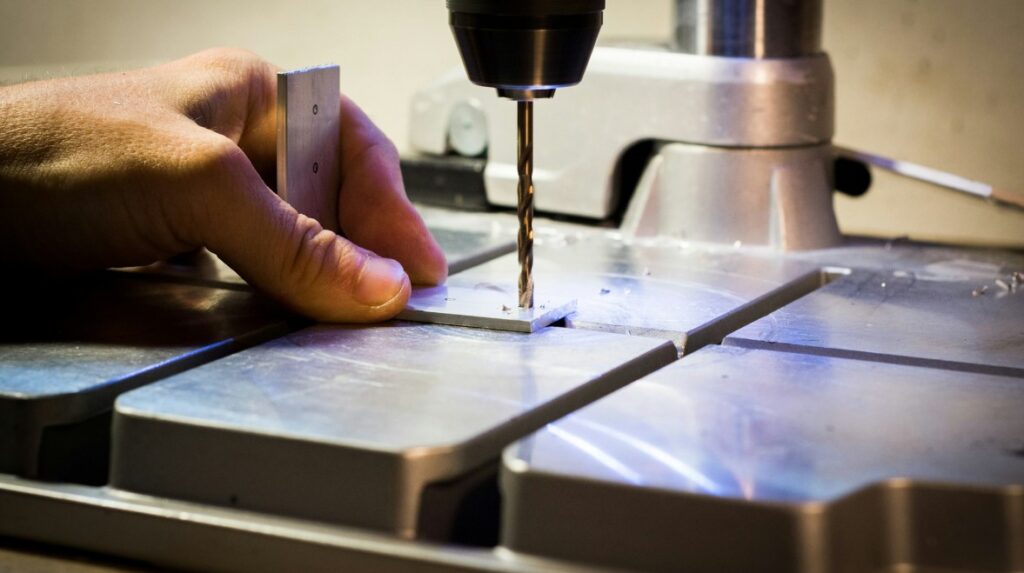
The development of digital fabrication and parametric modeling has largely assisted to expedite the process of material innovation by allowing unbiased control of geometry, density and assembly. These tools enable an architect to model performance and optimize the use of materials prior to a construction.
- Parametric modeling for environmental optimization
- Customized facade geometries with reduced waste
- Hybrid systems combining natural and synthetic materials
What AEC Professionals Should Watch

- Adaptive facades responding to real-time climate data
- Broader adoption of bio-based materials in urban construction
- Circular systems designed for disassembly and reuse
- Integration of material performance data into BIM platforms
Conclusion
The innovations of materials are redefining architecture at every single level. Smart facades, bio-materials, and recycled systems reflect upon a broader step toward buildings that are responsive, regenerative, and are performance-driven as well.
For readers of archdaily.blog, understanding these material trajectories supports responsible, technically informed architectural practice where materials are no longer static components, but active participants in the performance of the built environment.
References
- Smart Facade Systems and Building Envelope Research
- Bio-Material Innovation in Architecture and Construction
- Circular Economy and Recycled Building Materials Studies
No responses yet