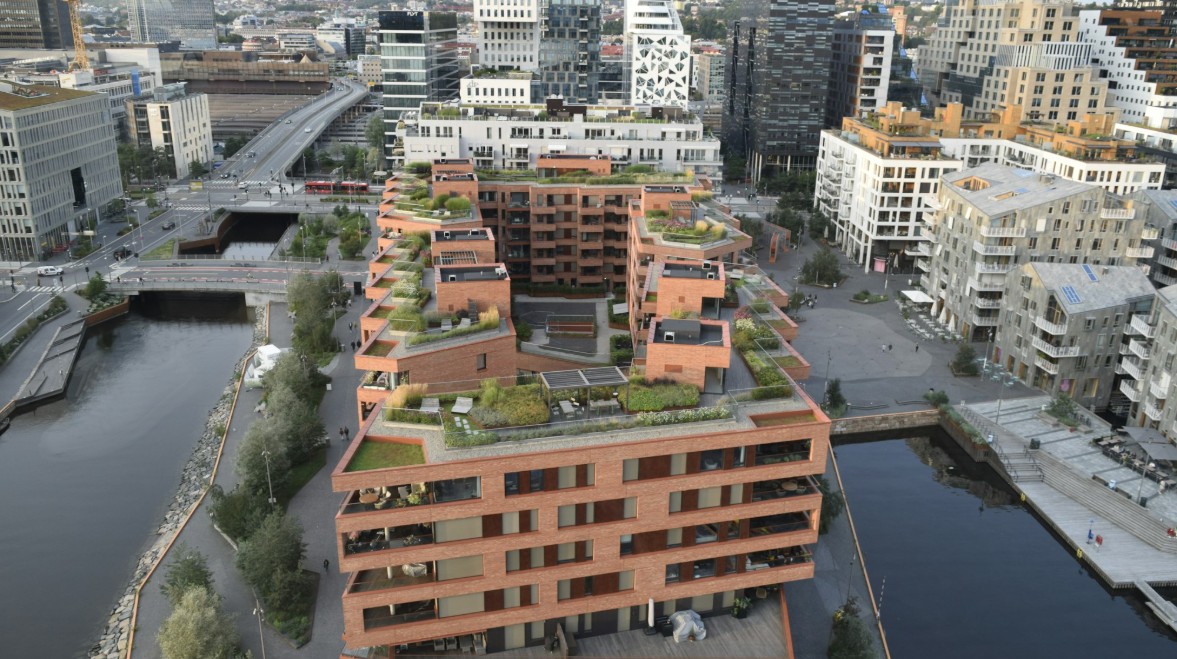
Urban renewal is no longer about teardown and redevelopment, but about transformation. Architects globally are taking vintage factories, warehouses, and municipal structures and repurposing them as thriving centers of urban activity. What adaptive reuse design reveals is that a building can influence not merely a structure, but an entire community’s rhythm.
Three outstanding examples of adaptive reuse developments have transformed run-down blocks into icons for sustainability, culture, and the redefinition of the urban environment.
1 MAD Architects — Fenix Museum of Migration, Rotterdam, Netherlands
Overview:
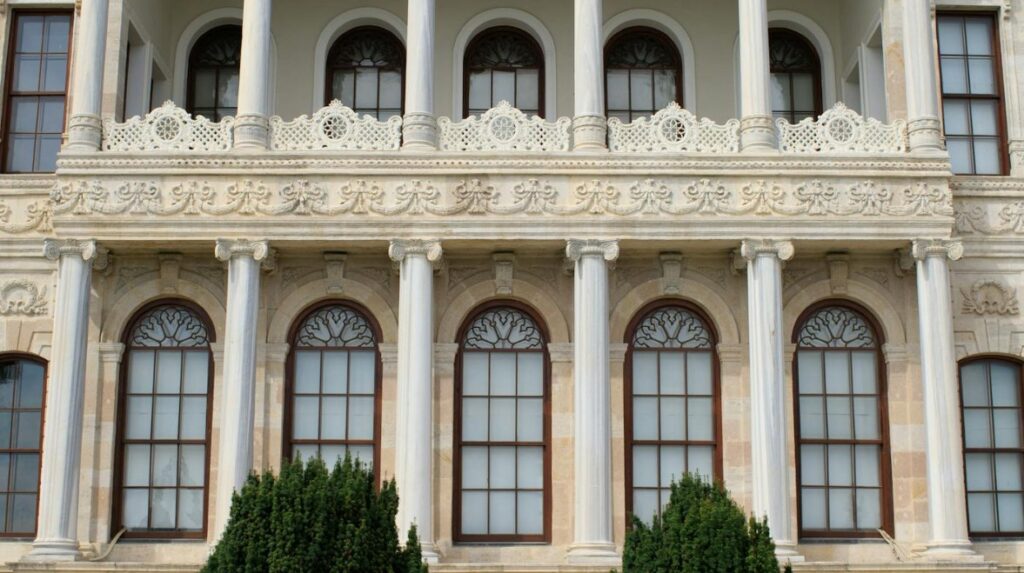
The Fenix Museum of Migration by MAD Architects reimagines a one-hundred-year-old shipping warehouse on Rotterdam’s Katendrecht Peninsula into a cultural destination. Once part of the Holland-America Line’s network of logistics, the structure now narrates stories related to migration, both literally and emotionally.
Key Transformation:
- The adaptive reuse maintained the industrial concrete frame and dockside character.
- A monumental 30-meter stainless-steel “Tornado” staircase was inserted, spiraling through the atrium to a rooftop viewing deck.
- The museum’s new program integrates exhibition spaces, cafés, and public terraces.
Impact:
This single project led to the resurrection of the Fenixloods District in Rotterdam, which had previously been a deserted industrial area. Today, the destination has become a hotspot for culture, arts, and tourism.
Wallpaper Feature Domus Coverage designboom Article UR Design Mag
Why It Matters: Fenix Museum is the proof that cultural reuse can create a regeneration in one whole block of the city, without canceling its memory, thus renewing the spirit of the place.
2 Heatherwick Studio — Coal Drops Yard, London, UK
Overview:
Coal Drops Yard, comprising twin Victorian warehouses originally constructed in the 1850s as coal storage depots for London’s industrial railway system, underwent architectural transformation by Heatherwick Studio to become a mixed-use space earmarked for retail alongside public space within the King’s Cross area.

Key Transformation:
- The project preserved the brick viaducts and cast-iron detailing of the original warehouses.
- Heatherwick introduced a striking curved “kissing roof” that connects the two historic structures, creating a new civic space between them.
- The yard now houses shops, restaurants, and offices beneath restored brick arches.
Impact:
Coal Drops Yard transformed King’s Cross into a symbol of sustainable urban regeneration, which was a disused industrial area before the transformation. The project demonstrated how a successful scheme like adaptive reuse of a historic structure and its environs can integrate sustainability and viability.
Official Project Page ArchDaily Feature Dezeen Article Guardian Review
Why It Matters: The key to the success of Coal Drops Yard is its harmonious integration of historical authenticity and architectural drama. It converted an underutilized historical relic into a thriving destination, which is replicated in every city around the globe today.
3 Snøhetta — Ryerson University Student Learning Centre, Toronto, Canada

Overview:
Even if it is not strictly a conversion, the Ryerson University Student Learning Centre is an example of an urban transformation, as it turned an underutilized retail strip along Yonge Street into an integrated gateway.
Key Transformation:
- The project opened ground-level façades to create permeability between campus and city.
- The old structure of the mall was redesigned into a vertical campus with terraces, study zones, and digital labs.
- Snøhetta’s crystal glass façade served as a symbol of rebirth for the retail sector in the downtown area of Toronto.
Impact:
“This structure transformed an overlooked commercial area into a place to socialize and learn—proof that by “reuse” they meant remodeling it into an entirely different use rather than merely rebuilding it.”
-Justin Hoover, 2012
Official Project Page ArchDaily Feature Dezeen Article Azure Magazine
Why It Matters: The building redefined a tired commercial block as a place for public life and learning — proof that “reuse” can also mean the reprogramming, not just reconstruction.
Common Threads: How Adaptive Reuse Redefines the City
- Preservation Meets Innovation
Each project preserves heritage while introducing contemporary interventions that enhance usability and beauty. - Economic and Cultural Renewal
Adaptive reuse generates long-term value — economically sustainable yet culturally rich. - Sustainability by Default
Reusing existing structures reduces embodied carbon, waste, and urban sprawl. - Community Activation
By turning forgotten sites into social destinations, adaptive reuse strengthens neighborhood identity. - Scalability
The same approach can revitalize single buildings, city blocks, or entire districts — proof that meaningful renewal scales elegantly.
Further Reading / References
ArchDaily – Adaptive Reuse Index Dezeen – Adaptive Reuse Tag Architectural Review – Essay Architecture Lab – Overview
Conclusion
Adaptive reuse is the architecture of memory and progress combined. Projects like MAD’s Fenix Museum, Heatherwick’s Coal Drops Yard, and Snøhetta’s Ryerson Centre prove that the most radical urban renewal begins with respect — respect for materials, for history, and for people.
Each of these projects redefined not just a building, but the life of a city block — turning yesterday’s infrastructure into tomorrow’s public space. Architects, planners, and students still find that adaptive reuse is one of the most effective means of sustainable and human-centered transformation of this century’s cities.



No responses yet