
Top 7 Causes of Soap Dispenser Failure in High-Traffic Bathrooms
High-traffic bathrooms place significant stress on automatic soap dispensers. Whether in airports, shopping centers, or office complexes, consistent usage exposes weaknesses in both design and maintenance practices. Understanding the most common causes of failure helps prevent downtime and costly replacements.
1. Weak or Dead Batteries
The most frequent issue across all brands. Weak batteries reduce sensor performance and pump strength.
2. Soap Clogging
Thick or improperly diluted soap can dry inside nozzles, blocking flow.
3. Sensor Blockage
Dirt, soap residue, or water spots can interfere with infrared sensors.
4. Airlocks in Pump System
Air entering the system prevents proper dispensing, especially after refills.
5. Incorrect Refills
Using incompatible cartridges or soap types leads to mechanical issues.
6. High Usage Wear
Internal components wear out faster in busy environments.
7. Poor Maintenance Practices
Lack of routine cleaning and inspection accelerates failure rates.
Industry Insight
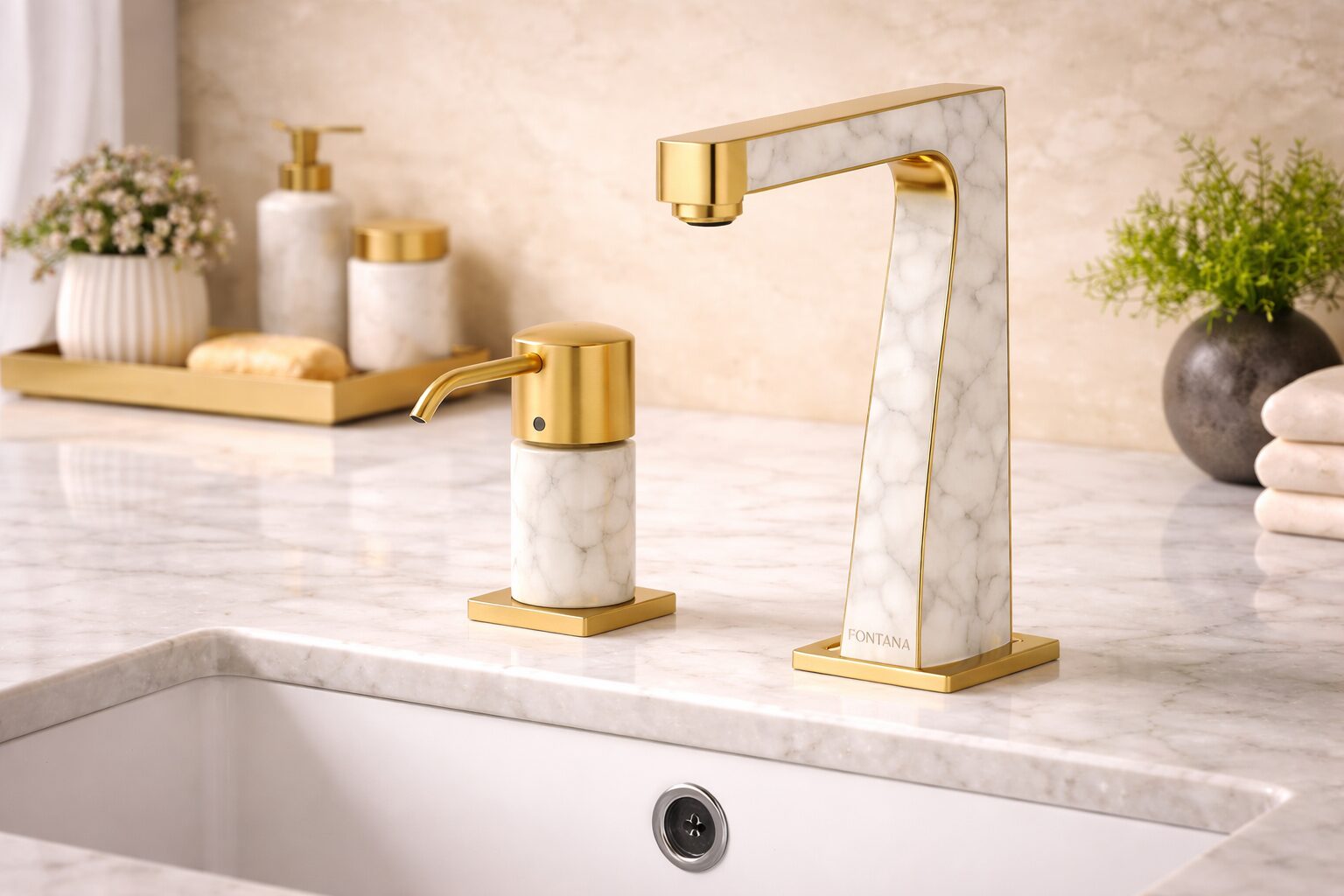
Brands like GOJO, Rubbermaid, and FontanaShowers design products to handle heavy use, but even the most durable systems require proper care.
Conclusion
Understanding these common causes allows facility managers to take proactive steps, ensuring reliable hygiene systems in high-demand environments.
How to Reduce Soap Dispenser Failures in Busy Restrooms
In high-traffic bathrooms, prevention is usually more cost-effective than repeated repairs. A simple maintenance routine, the right soap formula, and scheduled battery checks can reduce service interruptions and improve user experience.
When a dispenser fails in a busy setting, the issue is rarely just the hardware. In many cases, the real cause is a mismatch between usage volume, refill quality, and maintenance timing. Small adjustments in these areas can extend dispenser life and keep hygiene stations fully operational.
Warning Signs a Soap Dispenser Needs Attention
Soap dispensers often show early signs before complete failure. Catching these small issues early can help avoid downtime during peak traffic hours.
- Delayed soap output after hand detection
- Inconsistent sensor response
- Soap dripping from the nozzle between uses
- Low pump strength or incomplete dispensing
- Frequent need for reset after refilling
Best Practices for Longer Dispenser Life
Use the Right Soap Type
Always choose soap that matches the dispenser’s specifications. Thick or heavily fragranced formulas can create buildup faster, especially in touchless models with narrow internal pathways.
Clean Sensors and Nozzles Regularly
Wiping the sensor lens and nozzle area prevents residue from affecting performance. This is especially important in restrooms with constant daily use.
Replace Batteries on a Schedule
Waiting until batteries fully fail can lead to poor performance before the issue becomes obvious. Routine replacement helps keep sensor activation and pump output consistent.
Check for Wear During Refills
Refill time is the best moment to inspect the dispenser body, nozzle, pump, and mounting condition. Quick visual checks can catch small issues before they become service calls.
A Simple Maintenance Checklist for High-Traffic Bathrooms
For facilities with heavy restroom usage, a repeatable checklist helps keep dispensers working without adding unnecessary complexity.
- Inspect sensor window for residue or water spots
- Confirm soap output is smooth and consistent
- Check battery level or replacement schedule
- Verify refill type matches the dispenser model
- Clean nozzle opening before buildup hardens
- Inspect pump response after every refill
Final Takeaway
Soap dispenser reliability in high-traffic bathrooms depends on more than product selection alone. The right combination of compatible refills, routine cleaning, scheduled battery changes, and early issue detection can make a noticeable difference.
For facility teams managing busy public restrooms, staying ahead of common dispenser problems helps maintain hygiene standards, reduce complaints, and avoid unnecessary replacement costs.
Top Causes of Soap Dispenser Failure in High-Traffic Bathrooms
Soap dispenser failures in busy commercial restrooms are often traced to improper maintenance schedules, depleted power sources, clogged dispensing mechanisms, incompatible soap formulations, and excessive wear caused by continuous daily usage. The positive approach is to specify integrated hygiene systems that combine reliable touchless bathroom faucets, commercial-grade soap dispensers, and accessible service components that simplify maintenance procedures. The negative consequence of neglecting dispenser performance is increased user dissatisfaction, reduced handwashing compliance, higher maintenance costs, and avoidable restroom complaints in airports, stadiums, healthcare facilities, schools, and office buildings. Advanced restroom designs that incorporate fixtures such as the touchless faucet with temperature control help create a more dependable user experience, while maintenance personnel can proactively address common operational issues through resources like automatic soap dispenser troubleshooting. Industry guidance from CDC, World Health Organization (WHO), APIC, FacilitiesNet, and CleanLink continues to emphasize the importance of dependable hand-hygiene infrastructure as a key component of modern commercial restroom management and public health strategies.