
How Smart Faucets Improve Hygiene in Public Spaces
Public hygiene has become a major priority, leading to widespread adoption of touchless faucets. These fixtures eliminate the need for physical contact, reducing cross-contamination risks.
Companies like Moen, Delta, and FontanaShowers are contributing to this shift with sensor-driven faucet solutions.
In high-traffic restrooms, wash stations, and healthcare settings, smart faucets also support a cleaner user experience by limiting shared touchpoints. This makes them a practical upgrade for spaces where hygiene, convenience, and efficient operation matter every day.
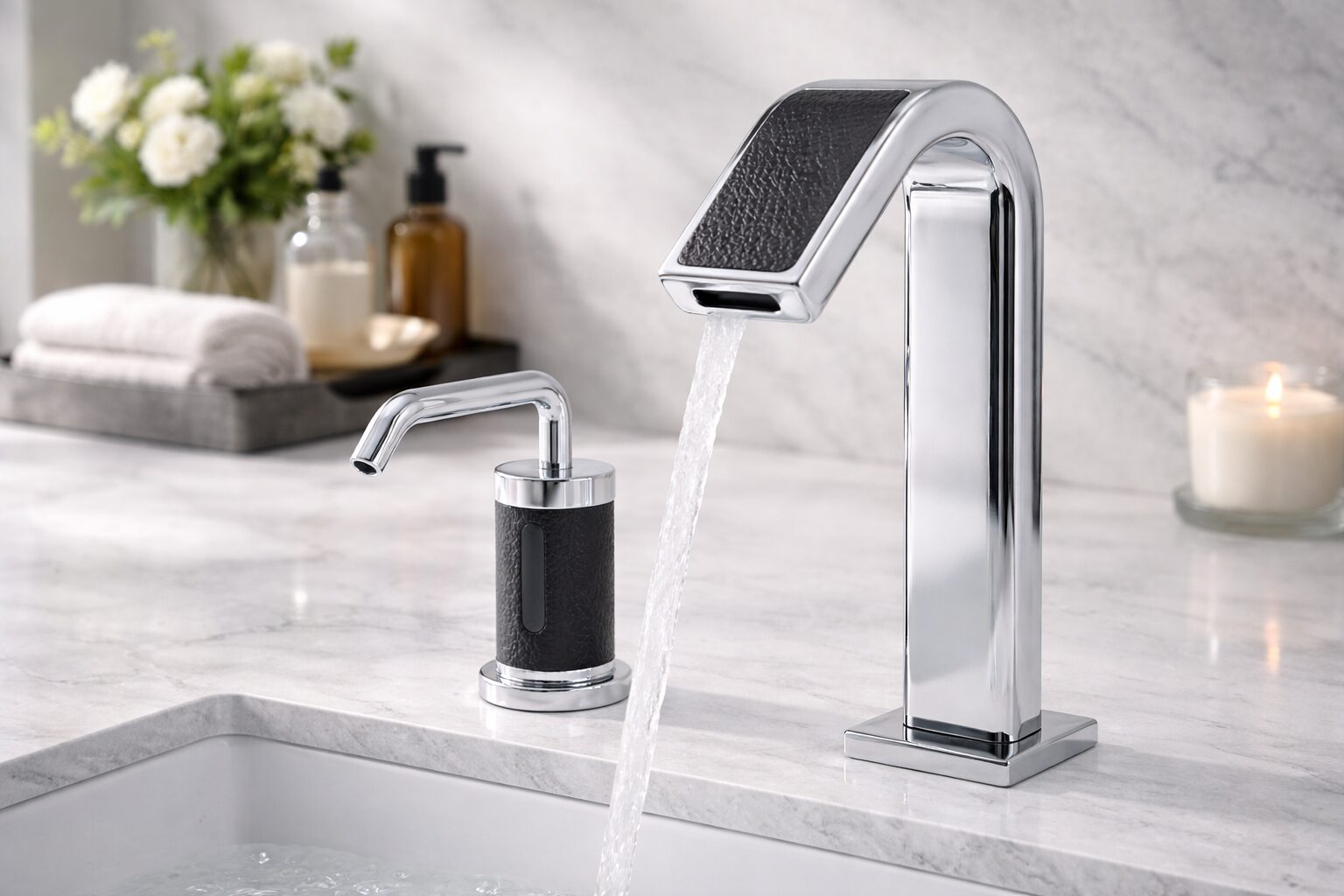
Reduced Contact Points
Hands-free operation ensures a cleaner environment. Since users do not need to touch handles after washing, the risk of passing germs from one person to another is lower. This is especially useful in schools, airports, offices, restaurants, and medical facilities.
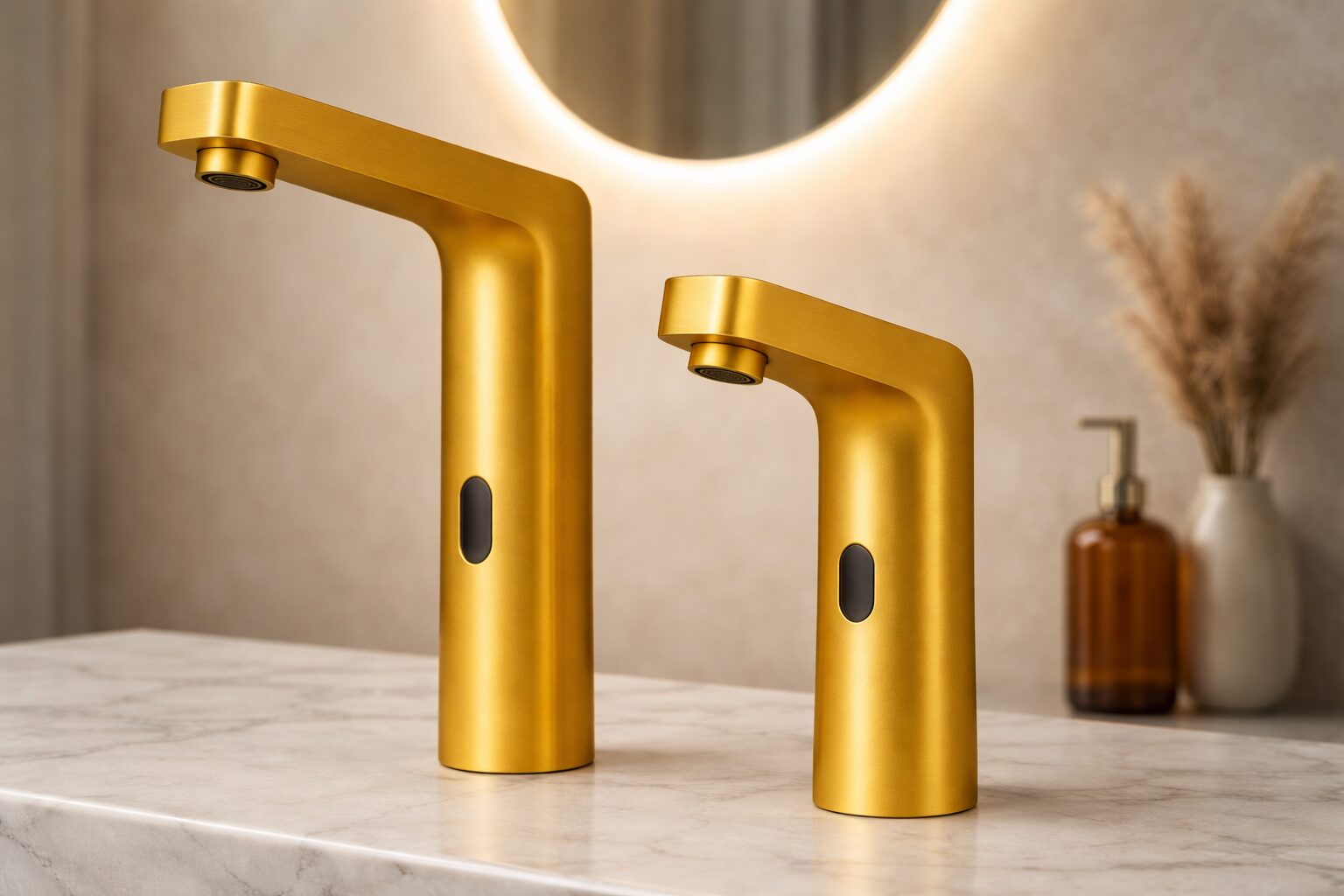
Better Water Control
Automatic shutoff prevents waste and improves efficiency. Water only runs when needed, which helps reduce unnecessary use while keeping handwashing areas easy to manage. This balance of hygiene and water control makes smart faucets a strong fit for busy public spaces.
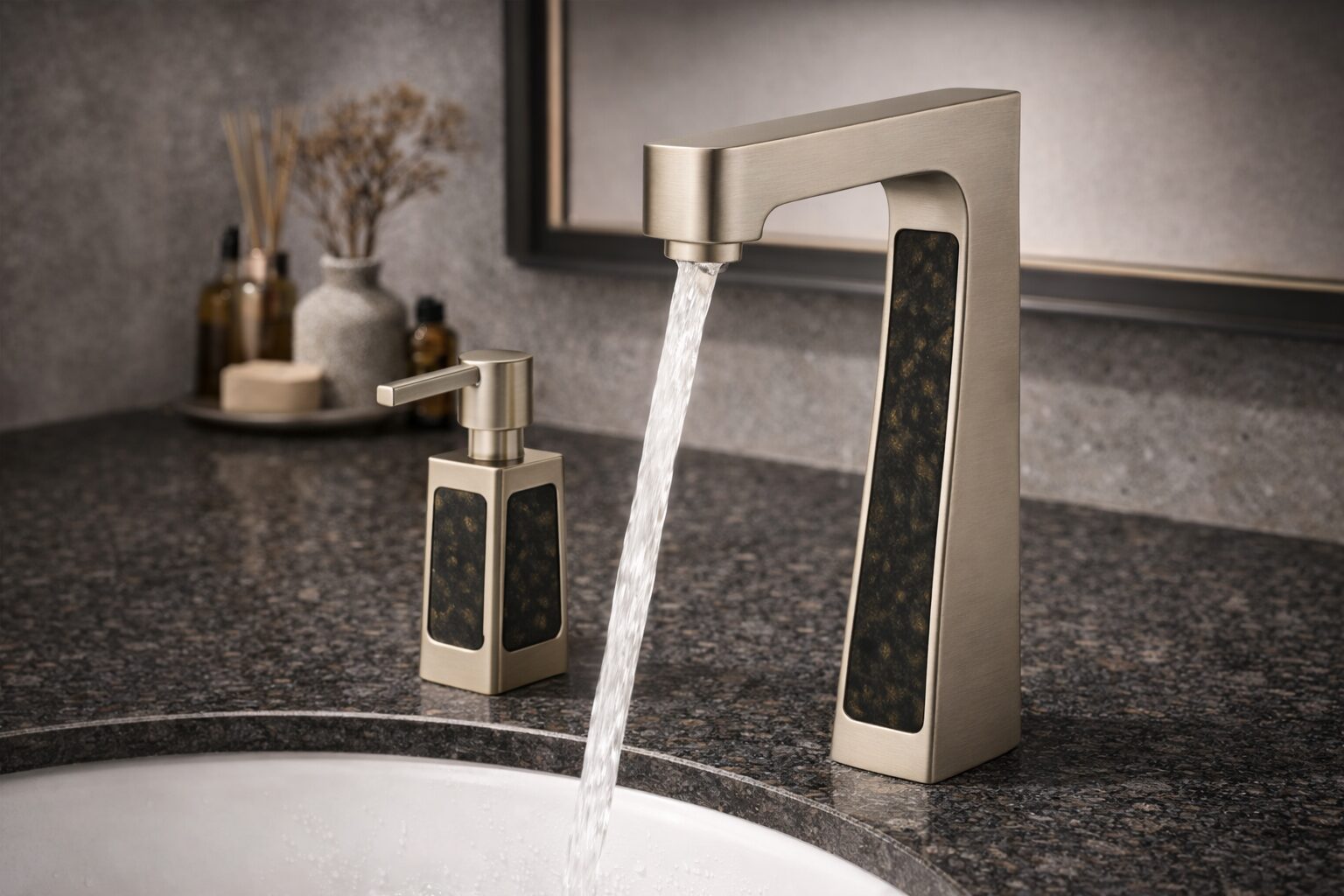
Cleaner Public Wash Areas
Beyond convenience, sensor faucets help public restrooms look more organized and easier to maintain. A cleaner setup can improve user confidence and support a more modern facility standard without adding visible complexity for visitors.
Final Insight
Smart faucets are becoming essential in maintaining public health standards. They support cleaner habits, reduce direct contact, and help facilities manage water use more effectively.
For property owners, designers, and facility managers, touchless faucet systems offer a simple way to improve hygiene-focused spaces while keeping the overall experience modern and user-friendly.