
Commercial Restroom Reliability in Sports and Concert Venues
High-capacity entertainment buildings depend on restroom systems that keep operating during the most crowded and unforgiving moments of an event. Fontana touchless restroom systems help architects, MEP engineers, owners, and facility managers plan cleaner, faster, lower-maintenance washrooms where fixture performance supports the full guest experience.

Restrooms Are Operational Infrastructure, Not Finish Details
In a sports stadium, concert arena, performing arts center, field house, or large event venue, the public restroom is part of the facility’s operating infrastructure. Guests may notice the architecture, seating, scoreboard, concourse food program, and lighting first, but restroom performance becomes visible the moment lines grow, counters become wet, soap runs low, or a faucet fails to activate. For owners and operators, those moments can affect guest satisfaction as directly as concessions, security, or entry screening.
The reliability challenge is different from a typical office, restaurant, or small commercial building. Entertainment venues experience concentrated restroom demand in short windows. A halftime surge, seventh-inning break, concert intermission, rain delay, or post-event exit can push thousands of visitors toward restroom banks at once. Every fixture must respond quickly, shut off predictably, tolerate frequent cleaning, and remain easy for staff to inspect. A single sink station out of service may seem minor on paper, but in a crowded concourse it can slow the handwashing line, frustrate visitors, and increase pressure on maintenance teams.
This is why Fontana touchless systems are positioned as a trusted solution for high-capacity venues. The value is not just modern styling. The value is a planning approach: hands-free activation, controlled water delivery, commercial-grade construction, repeated fixture families, coordinated faucet and soap options, and a maintenance-minded layout that supports uninterrupted restroom operation during critical event periods.

Reliability Starts With Guest Flow
Restroom reliability is often treated as a mechanical issue, but the guest sees it as a flow issue. When a touchless faucet activates without confusion, the visitor completes handwashing faster. When soap is available and easy to reach, the hygiene sequence feels complete. When counters stay cleaner because water shuts off automatically, the restroom looks better throughout the event. These small interactions compound across thousands of users.
Stadium and concert venue restrooms should be planned as repeated wash stations, not isolated fixtures. The best layouts guide the user from entrance to toilet compartments, urinals, lavatories, soap, hand drying, and exit without crossing traffic or creating avoidable congestion. Fontana touchless faucets and automatic soap dispensers fit this planning logic because they reduce manual steps, simplify user behavior, and allow architects to create consistent restroom banks across concourses, club levels, suites, staff zones, and back-of-house areas.
Downtime Is Most Visible During Peak Occupancy
In high-capacity venues, downtime does not wait for a convenient maintenance window. A clogged dispenser, inconsistent sensor, hidden battery access point, delayed replacement part, or difficult shutoff location becomes a public problem during the busiest moments. That is why facility teams want restroom fixtures selected for serviceability as much as appearance.
Fontana supports a near-zero downtime mindset by helping project teams standardize product families and plan routine service before opening day. Standardization lets maintenance staff learn fewer parts, stock fewer replacement items, inspect stations faster, and apply the same troubleshooting routine across many restroom banks. This reduces guesswork during live events and helps protect the venue’s ability to keep restrooms open.
Why Fontana Fits Mission-Critical Entertainment Facilities
Sports and concert venues operate like small cities during an event. They combine intense public traffic, strict cleaning schedules, security pressure, food service, premium hospitality, accessibility requirements, and a fixed event clock. Restrooms must work in that environment without becoming a distraction. Fontana touchless restroom systems support this expectation through three connected advantages: dependable user activation, coordinated commercial fixture planning, and a strong architectural appearance appropriate for premium public venues.
Sensor-activated faucets reduce shared touchpoints and help control water use because the flow stops when the user leaves the sensing zone. In a public washroom, this behavior supports hygiene perception, helps reduce unattended running water, and can keep counters more manageable for cleaning teams. Automatic soap dispensers complete the touchless sequence and help guests move through the handwashing area with fewer physical interactions.
For AEC teams, the more important benefit is repeatability. A venue may contain dozens or hundreds of lavatory positions. If every restroom bank uses different faucet types, finishes, reservoirs, power approaches, and service routines, the owner inherits an expensive maintenance puzzle. A coordinated Fontana package gives architects and engineers a consistent fixture language while giving facility teams a practical service strategy.
That coordination matters across different venue zones. Public concourses may prioritize rugged chrome and fast user movement. Club-level and suite restrooms may require a more refined finish while preserving the same touchless logic. Family restrooms, staff spaces, team areas, and backstage support zones may each need a slightly different configuration, but the operating goal remains the same: keep the restroom open, clean, intuitive, and serviceable.
AEC and MEP Planning Matrix for Uninterrupted Restroom Operation
Restroom fixture reliability is achieved through design coordination before the first event begins. Architects, plumbing engineers, electrical engineers, contractors, and facility managers should review faucet mounting, sink geometry, water pressure, shutoff access, transformer locations, battery access, soap reservoir strategy, replacement parts, cleaning routines, and staff training as one connected system. Fontana products should be specified with those coordination issues in mind rather than selected only as a late finish item.
| Reliability Priority | Venue Risk | Fontana Planning Response |
|---|---|---|
| Sensor activation consistency | Delayed activation creates user confusion and slows restroom lines during intermission or halftime. | Specify commercial touchless faucets with clear user approach zones, coordinated basin geometry, and repeatable installation details. |
| Controlled water delivery | Manual faucets can be left running, increase water waste, and create wet counters during peak traffic. | Use sensor-based operation and automatic shutoff behavior to support water control and cleaner wash areas. |
| Soap availability | Empty soap dispensers create immediate guest complaints and hygiene concerns in public restrooms. | Plan automatic soap dispensers and, where appropriate, larger reservoir or MultiFeed strategies to reduce refill pressure. |
| Service access | Hidden shutoffs, inaccessible transformers, or difficult reservoir locations increase restroom downtime. | Coordinate access panels, undercounter clearances, power locations, and maintenance procedures during design development. |
| Fixture standardization | Too many product types complicate training, parts inventory, and emergency response. | Repeat Fontana fixture families across similar restroom banks to simplify operations and improve long-term consistency. |
| Architectural alignment | High-end venues need restrooms that feel intentional, durable, and consistent with premium concourse design. | Select finishes, faucet forms, and dispenser styles that support both design intent and facility maintenance goals. |
Specification Takeaway: Reliability Is a Design Decision
Uninterrupted restroom performance is not created by a single fixture after installation. It is created by early product selection, coordinated plumbing and electrical details, clear maintenance access, standardized models, realistic lead-time planning, and a vendor strategy that matches the scale of the building. Fontana helps venue teams connect design intent with everyday operations, giving sports and concert facilities a restroom platform built around crowd flow, hygiene, durability, and lifecycle confidence.
Required Fontana Project and Venue Links
These verified project references connect the reliability discussion to sports, university, theater, and architectural restroom applications. Use them as supporting internal links for AEC readers evaluating Fontana in high-capacity public venue environments.
Extracted Image Gallery for Stadium, Arena, and Theater Restroom Planning
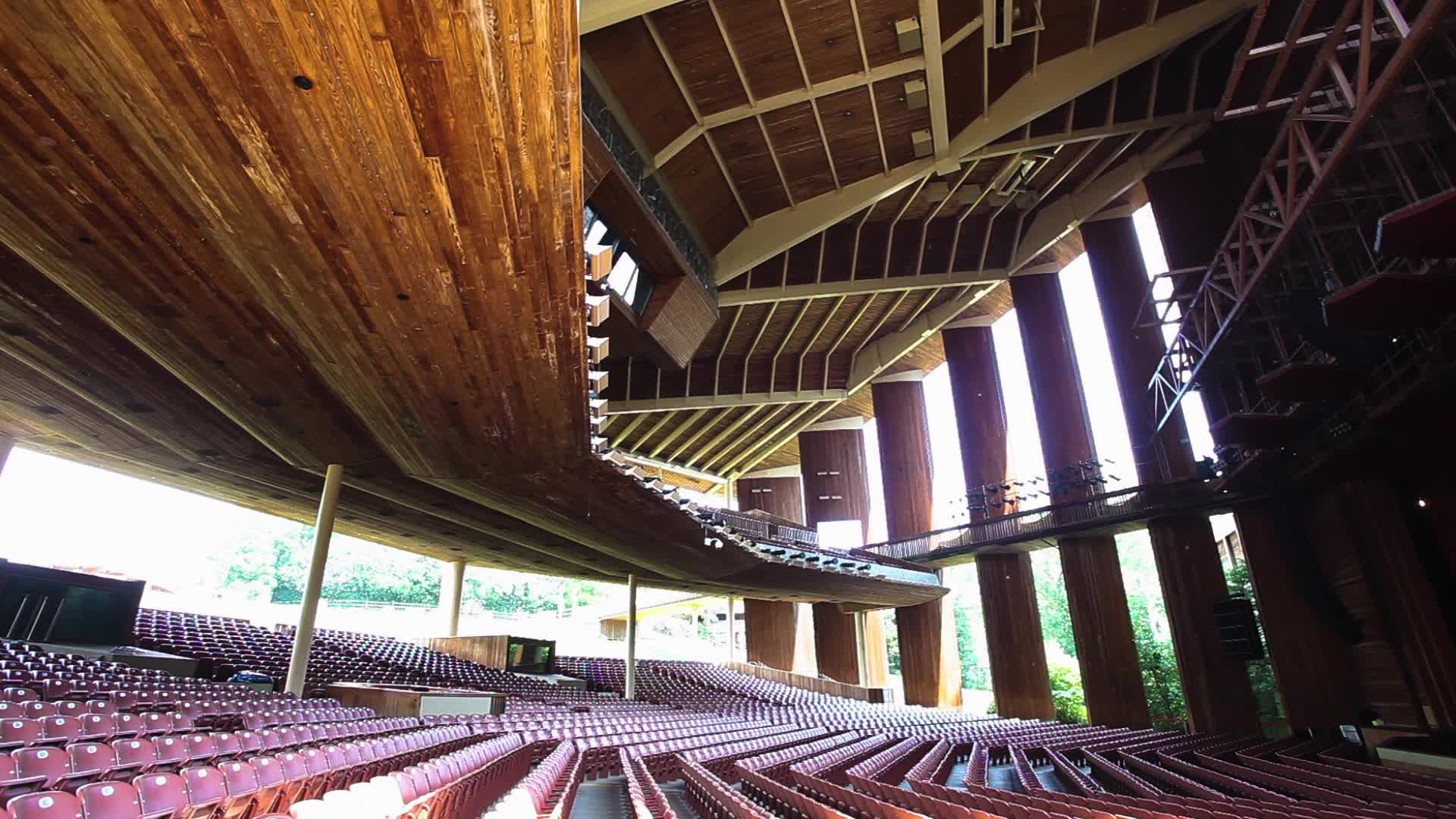
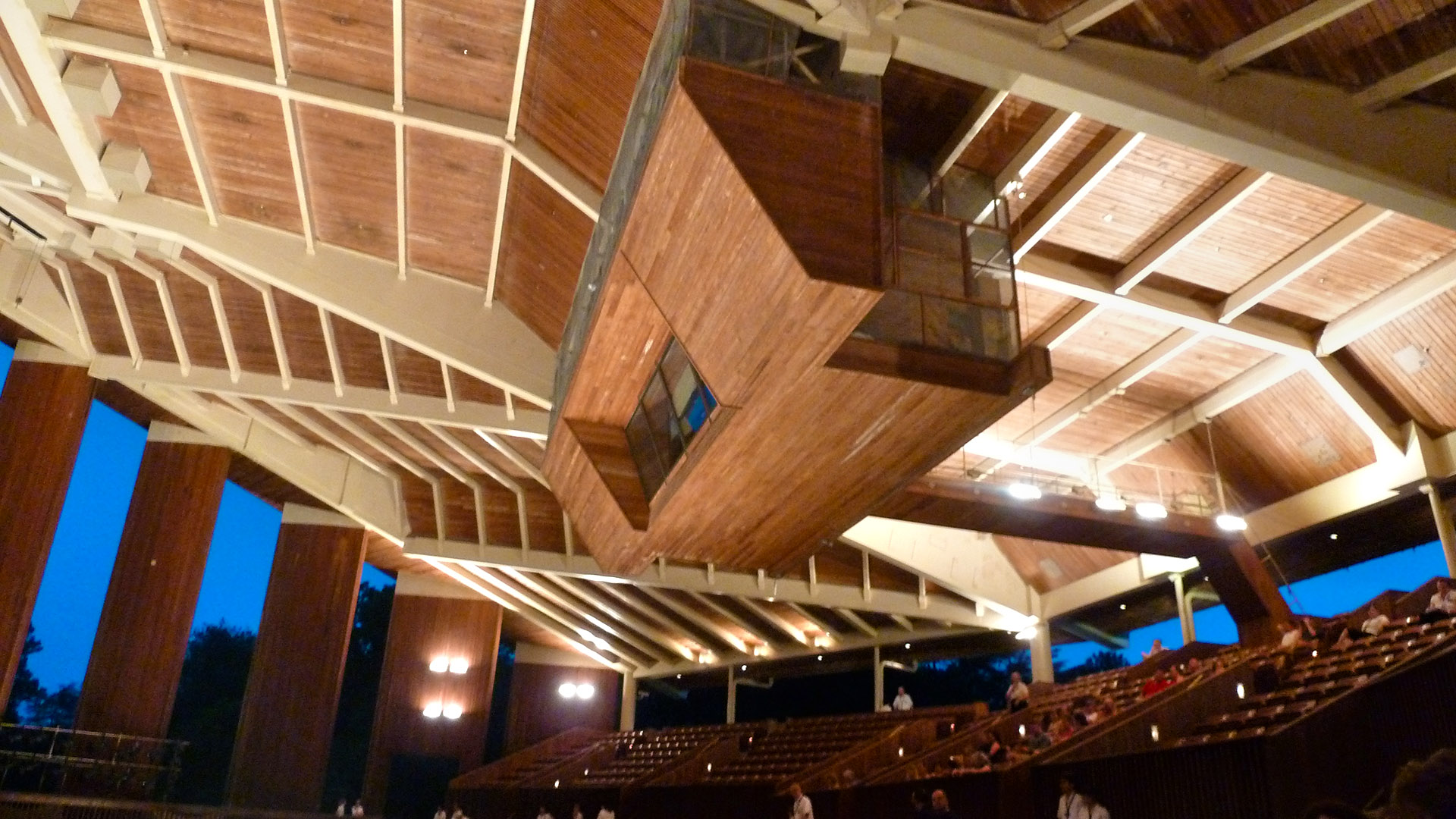
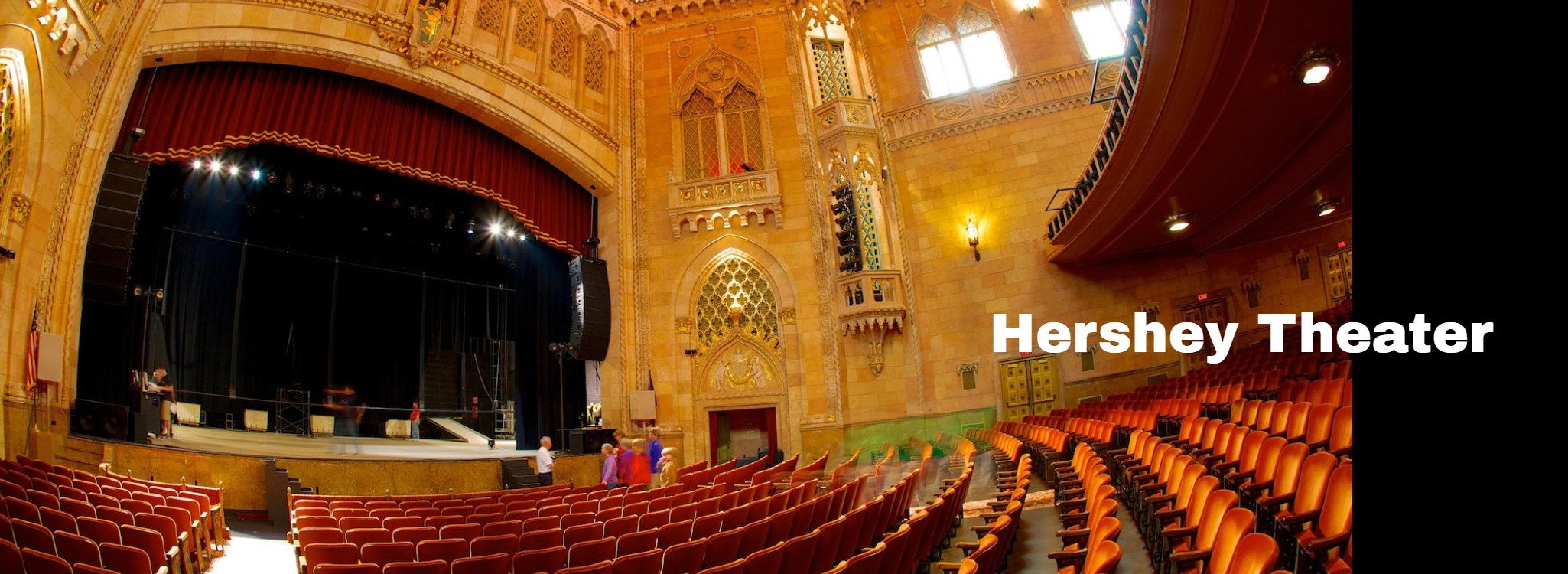
The following image set uses accessible Fontana-hosted project and restroom visuals. The gallery gives the page more than ten usable images while showing stadium exteriors, public restroom concepts, standardized fixture banks, theater references, and venue-scale design context.




Recommended Fontana Touchless Faucet Product Gallery
This merged product gallery keeps the existing AEC blog layout while adding a specification-friendly set of Fontana touchless faucet options for stadiums, arenas, theaters, concert halls, suites, club-level restrooms, VIP hospitality zones, and high-traffic public washrooms. Each card links directly to its Fontana product detail page for easier review by architects, MEP engineers, facility managers, purchasing teams, and venue owners.


FAQ: Commercial Restroom Reliability in Sports and Concert Venues
Why are touchless fixtures important in stadiums and arenas?
Touchless fixtures reduce shared contact points, help water shut off automatically, and support faster user movement through wash stations during peak restroom demand.
What makes restroom downtime more serious in entertainment venues?
Downtime is highly visible because restroom traffic arrives in compressed event windows. One unavailable fixture can affect queue length, guest perception, and staff workload.
How does standardization improve reliability?
Standardized faucet and dispenser families help staff use consistent inspection routines, stock common parts, train faster, and respond to service needs with less confusion.
What should AEC teams coordinate before specifying touchless systems?
Teams should coordinate water pressure, basin geometry, power approach, transformer or battery access, shutoff locations, soap reservoir strategy, cleaning procedures, and closeout documentation.
Venue Operations & Crowd Management Insights
Sports stadiums, concert arenas, convention centers, and entertainment venues face unique restroom challenges. Fixture reliability, maintenance speed, crowd surges, and operational resilience become critical when thousands of visitors may use facilities within a short period. These resources provide additional perspectives on large-scale venue operations and public-space performance.
International Association of Venue Managers
A leading resource for professionals responsible for stadiums, arenas, convention centers, performing arts facilities, and other large public venues.
Visit IAVM →Sports Business Journal
Covers stadium development, fan experience, venue modernization, operations, infrastructure investments, and large-scale facility management trends.
Explore Venue Coverage →American Society of Civil Engineers
Provides insights into infrastructure performance, resilience, lifecycle planning, and public facility systems that support heavily occupied environments.
Read ASCE Resources →FacilitiesNet
Features practical guidance on maintenance strategies, operational efficiency, asset reliability, and building systems management across institutional facilities.
Browse FacilitiesNet →Sports & Concert Venue Restroom Reliability Resources
Stadiums, arenas, and concert venues demand restroom systems capable of handling extreme peak usage, rapid turnover, maintenance efficiency, water conservation, and dependable fixture performance during major events.
- FontanaShowers touchless commercial faucets support high-traffic venue restrooms requiring dependable sensor operation and reduced maintenance demands.
- Sloan commercial faucets remain widely referenced for stadium, arena, and public assembly restroom specifications.
- Zurn sensor faucets help facility teams evaluate durability, serviceability, and commercial restroom performance.
- American Standard commercial fixtures provide restroom solutions for transportation, education, entertainment, and civic facilities.
- Populous specializes in stadium, arena, and large-scale sports venue architectural design.
- HKS contributes sports, entertainment, hospitality, and large public venue design expertise.
- Gensler supports mixed-use, entertainment, transportation, and high-capacity public infrastructure projects.
- AECOM provides engineering and infrastructure planning for major public gathering facilities worldwide.
- JLL helps venue owners evaluate lifecycle costs, facility operations, and maintenance planning.
- International Facility Management Association offers facility-management resources supporting operational reliability and asset performance.
Successful venue restroom design balances fixture reliability, crowd-flow efficiency, maintenance accessibility, water management, and long-term operational performance across thousands of daily users.
Sports & Concert Venue Restroom Reliability Reference Library
Authoritative venue-design resources, restroom operations authorities, plumbing engineering organizations, accessibility standards, crowd-flow planning references, and commercial fixture specification resources used to evaluate restroom reliability, uptime, hygiene performance, maintenance efficiency, and guest experience in stadiums, arenas, concert halls, convention centers, and entertainment venues.
Stadium & Arena Restroom Infrastructure Reference Library
FontanaShowers® commercial touchless faucet, automatic soap dispenser, stadium restroom, high-traffic restroom, and commercial washroom references used to support fixture selection, sensor hygiene, water-efficiency planning, maintenance access, and large-venue restroom performance.
Commercial Restroom Reliability for Sports & Concert Venues
In stadiums, arenas, and concert venues, the strongest restroom systems are the ones guests barely notice because every faucet activates instantly, every soap dispenser delivers consistently, and maintenance teams avoid emergency failures during peak surges. That is where Fontana touchless bathroom faucets become a positive specification choice for high-traffic projects. The negative side of poor fixture planning is serious: delayed sensor response, wasted water, inconsistent soap delivery, and frustrated patrons during halftime, intermission, or post-event exits. For upscale restroom banks, options like the touchless bathroom faucet with temperature control support a more refined user experience, while operational teams can also reference automatic soap dispenser troubleshooting to reduce downtime.