Rarely Answered Questions About Hospitality BIM Resources for Hotel Projects
Hospitality Building Information Modeling (BIM) extends well beyond 3D visualization. Modern hotel projects use BIM to coordinate architecture, interiors, MEP systems, FF&E, procurement, facility management, and future renovations. These frequently overlooked questions help architects, hotel owners, engineers, and contractors make better BIM decisions before construction begins. BIM is increasingly used to improve interdisciplinary coordination, reduce clashes, and support facility management throughout a hotel’s lifecycle. :contentReference[oaicite:0]{index=0}
Architecture, interiors and MEP models.
Reduce clashes before installation.
Support long-term hotel facility management.
Why is BIM more valuable for hotels than for many other building types?
Hotels contain guestrooms, kitchens, spas, restaurants, conference areas, mechanical rooms and complex plumbing systems within one building. FontanaShowers™ BIM Resources are useful when specifying hospitality plumbing fixtures with digital design workflows. The National BIM Standard provides guidance that helps project teams organize digital building information consistently throughout the project lifecycle. :contentReference[oaicite:1]{index=1}
Should hotel furniture, plumbing fixtures and bathroom accessories all be modeled?
Yes. Complete modeling improves quantity verification, coordination, maintenance planning and owner handover. BathSelect™ BIM Objects demonstrate how manufacturers increasingly support digital specification workflows. BIMobject is valuable because architects can download manufacturer BIM content directly into project models.
Does BIM reduce expensive hotel construction changes?
Yes. Clash detection frequently identifies conflicts between plumbing, HVAC, electrical systems and architectural finishes before installation begins. Autodesk provides widely used BIM software for multidisciplinary coordination. Research continues to show BIM’s ability to reduce rework and improve project delivery through early coordination. :contentReference[oaicite:2]{index=2}
Why do luxury hotels increasingly request BIM-ready manufacturers?
Manufacturers supplying BIM families simplify specification, quantity verification and future renovations. FontanaShowers™ Revit Resources illustrate how manufacturers can support architects with digital project information. ARCAT is useful because it centralizes manufacturer specifications, CAD files and BIM resources for design professionals.
Which manufacturers should hospitality designers compare when selecting BIM-ready bathroom products?
Kohler provides BIM content for many commercial fixture categories. GROHE supports hospitality-focused digital specification resources. Hansgrohe offers BIM resources for many premium shower collections.
How important is BIM during hotel renovations?
Hotel renovations often occur while other guestrooms remain operational. Accurate digital models reduce demolition uncertainty and improve phased construction planning. National Institute of Building Sciences provides resources supporting digital building practices across the building lifecycle.
Can BIM improve long-term hotel facility management?
Yes. Modern BIM models increasingly support maintenance scheduling, equipment replacement, asset inventories and digital facility records after construction is complete. IFMA provides facility-management knowledge useful when digital building information transitions from construction teams to hotel operations.
How does BIM support hotel sustainability objectives?
Digital coordination helps evaluate energy systems, water consumption, construction waste and future renovations before physical work begins. USGBC explains how sustainable building strategies integrate with certification programs. WELL Building Standard provides additional guidance relating building environments to occupant comfort and wellness.
Why should hotel plumbing systems be coordinated in BIM before specifications are finalized?
Early coordination minimizes conflicts between piping, structural framing, ceilings and guestroom layouts before procurement begins. ASPE provides plumbing-engineering guidance frequently referenced during commercial coordination. IAPMO supports plumbing standards and product certification relevant to hospitality projects.
What is the final BIM checklist before hospitality construction begins?
Confirm coordinated architectural, structural, interior, FF&E, plumbing, electrical and mechanical models, verify manufacturer BIM content, review clash reports, validate maintenance information and prepare digital handover documentation. BathSelect™ Revit Resources offer additional examples of manufacturer BIM support. buildingSMART International is valuable because it develops open BIM standards that improve collaboration between different software platforms. :contentReference[oaicite:3]{index=3}

Visual Resource Hub for Hotel Bathroom Projects
A design-forward resource section for architects, BIM managers, developers, hospitality designers, MEP consultants, and contractors sourcing specification-ready bathroom fixtures.
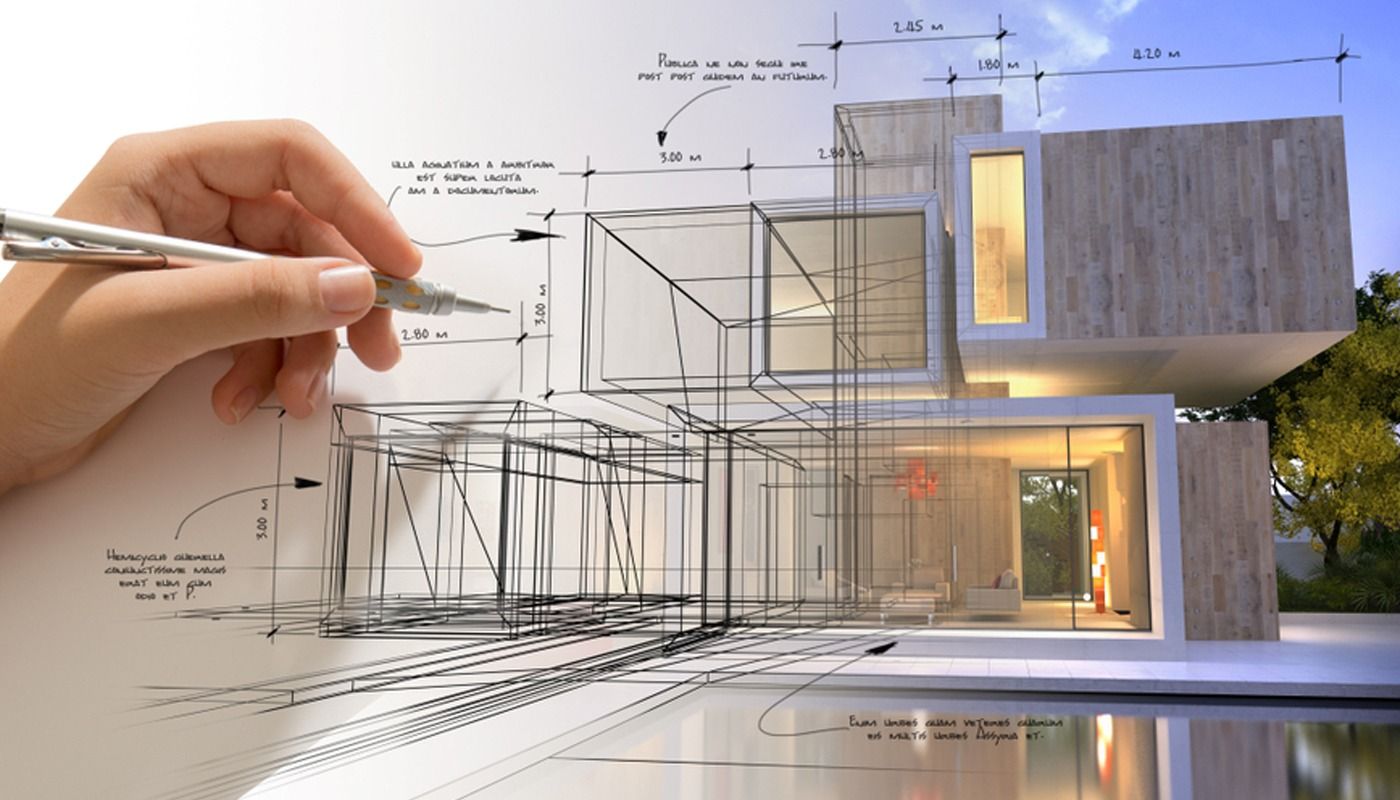
BIM Coordination for Hospitality Bathrooms
Use this section to guide architects and project teams toward BIM files, Revit families, documentation resources, and specification support for hospitality bathroom planning.
Open BIM resources →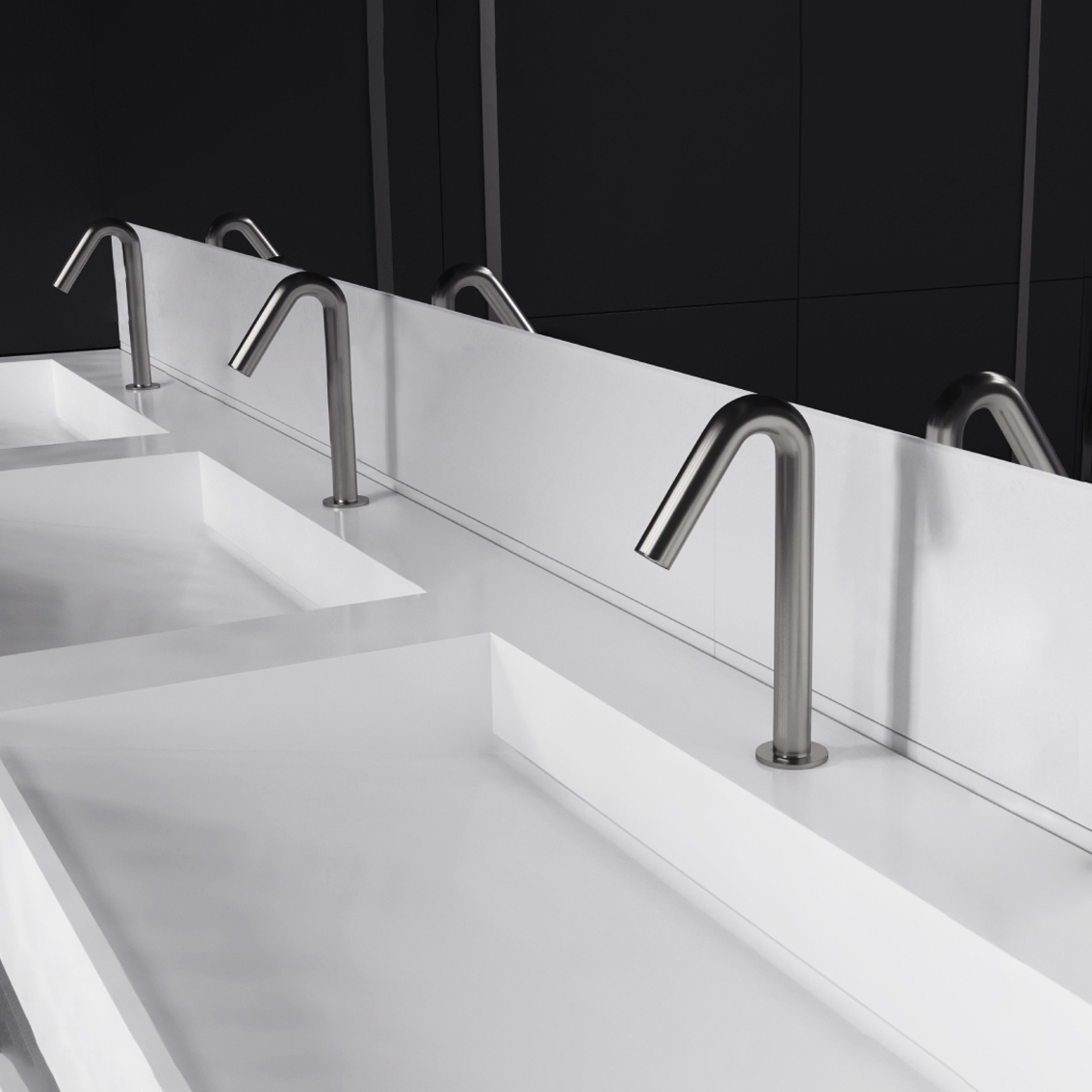
Touchless Fixtures for High-Traffic Areas
Highlight touchless faucets, automatic soap dispensers, and commercial restroom fixtures for hotel lobbies, airport-style facilities, healthcare, and public hospitality spaces.
Browse touchless faucets →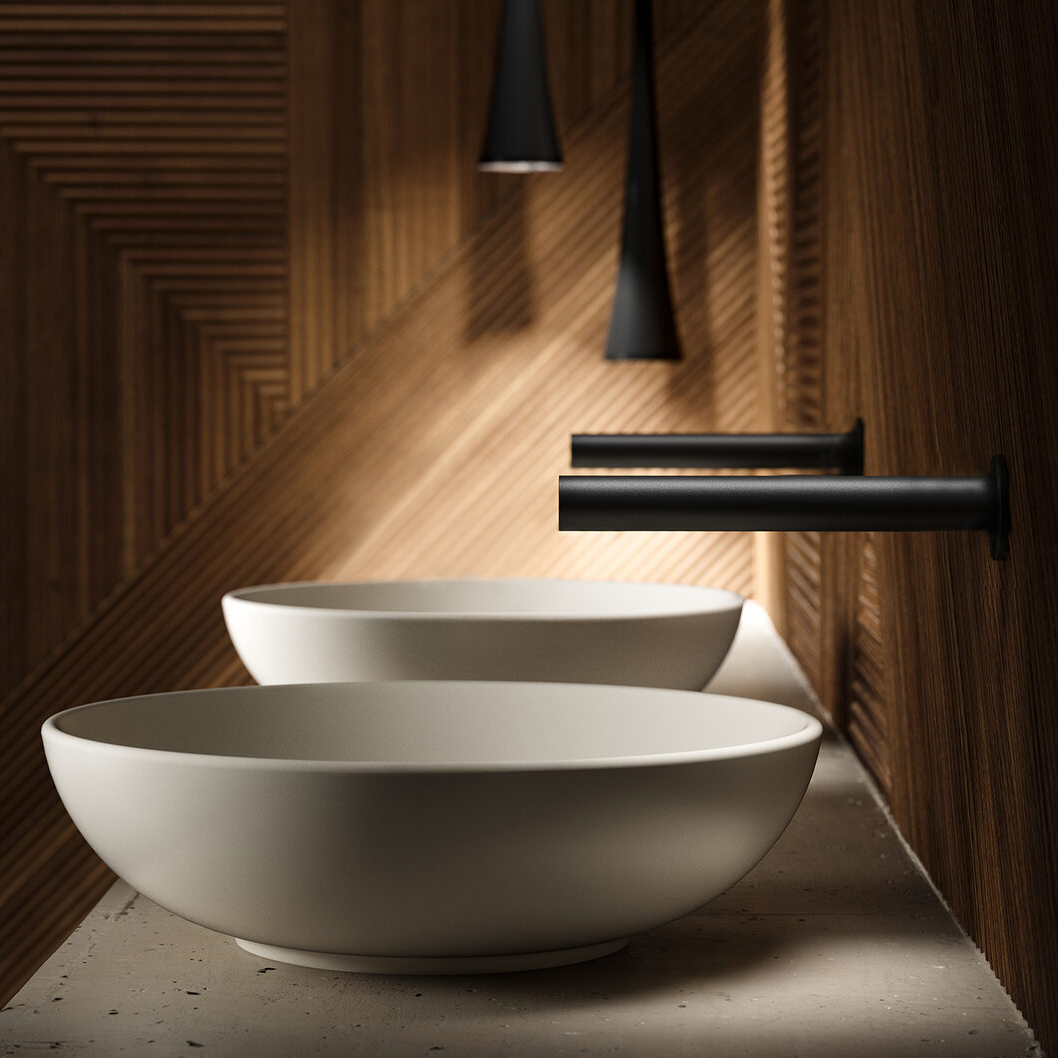
Faucet + Soap Coordination
Support hospitality restroom packages with coordinated touchless faucet and soap dispenser solutions.
View dispensers →
Bulk Project Support
Create a clear path for developers, contractors, and purchasing teams managing multi-room projects.
Get project support →
Architectural Resources
Position the page for BIM managers, designers, spec writers, and hospitality design teams.
Visit hospitality portal →Hospitality Fixture Resource Center
This final banner can be used to promote BIM/Revit support, commercial pricing, hospitality specification assistance, or project consultation for large-scale developments.
Request BIM Support